How do antioxidants support your sunscreen
Are antioxidants in skincare an essential, or a nice-to-have? It’s a question our team gets asked a lot. While sunscreen’s as essential as brushing your teeth, even the highest SPF isn’t a perfect shield against environmental aggressors like pollution, stress and free radicals. But antioxidants can help scavenge what’s left.
Used together, sunscreen and antioxidants are the dermatologist-equivalent of a chef’s kiss. Here’s how they work in synergy — and why our skin loves when they’re combined.
What are antioxidants?
Topical antioxidants are skincare ingredients that help protect your skin from oxidative stress caused by things like UV exposure, pollution and fumes. [1]
Skincare products are often infused with antioxidants, such as Vitamin C, ferulic acid, tranexamic acid, hyper-fermented aloe vera, squalane, and botanical extracts like centella asiatica.
Ingredients like these help keep oxidative stress in check. And depending on your skin’s needs, the right antioxidant can offer visible benefits — from supporting your skin barrier and calming inflammation, to fading uneven tone and signs of sun damage.
What are free radicals?
Free radicals are unstable molecules caused by UV exposure, pollution, and even our own stress levels. When these build up, they trigger oxidative stress, which breaks down collagen and elastin, damages skin cells, and speeds up visible signs of ageing like dark spots, fine lines and dullness.
Antioxidants keep these stress levels in balance, supporting your skin’s ability to defend and restore itself. [2]
1. Extra defence
Even with SPF 50+ sunscreen, UV rays can still reach your skin. Only a small amount, but even that’s enough to accelerate the appearance of fine lines, loss of skin elasticity and pigmentation.
Antioxidants help decrease this damage by mopping up the leftover free radicals that sunscreen can’t absorb. [3]
2. Stabilising and enhancing UV filters
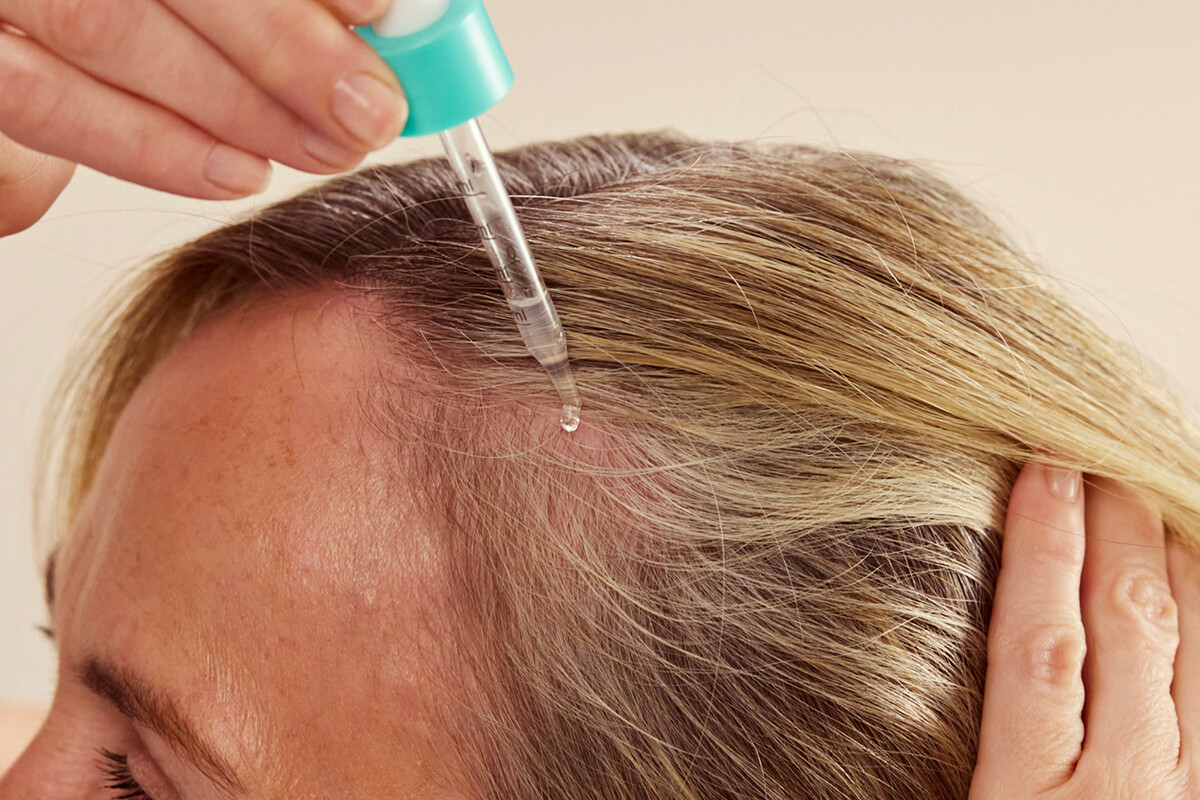
Certain antioxidants like Vitamin C (namely L-Ascorbic acid) can stabilise volatile ingredients, and boost your sunscreen’s productivity.
Proven ingredients like Vitamin E and ferulic acid can actually enhance the UV filters in sunscreen, with studies showing that it was doubly effective under sun exposure. They’re featured in our antioxidant-rich Vitamin C 15%: Fresh Batch Ascorbic Acid. [3]
3. Recovery and resilience
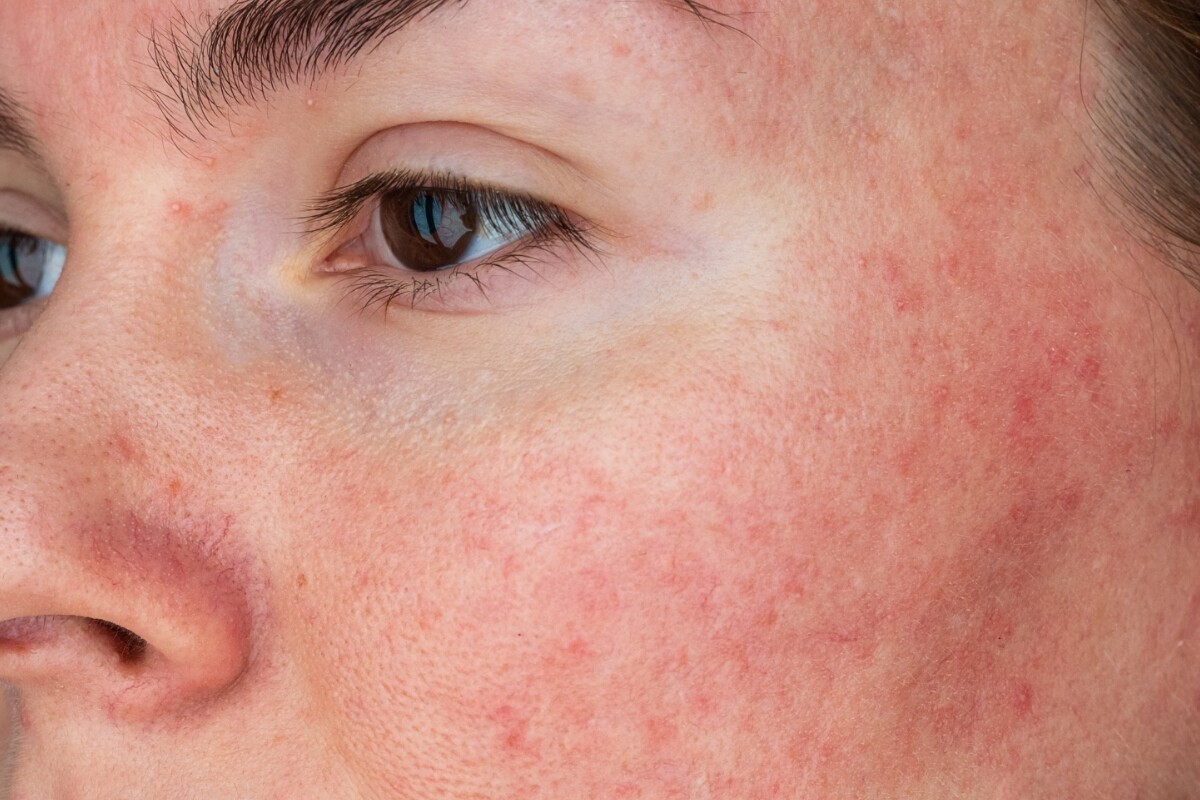
Sun exposure can leave your skin inflamed and dehydrated, even if you can’t see a burn. UV rays can also trigger acne or rosacea flare-ups, worsen redness, cause scarring or make breakouts more persistent.
Topical antioxidants like centella asiatica and azelaic acid can be especially effective. [4, 5] Think of them like aftersun, but with longer-term skincare benefits, including:
Soothing inflamed or sensitive skin
Strengthening your skin barrier
Supporting healthy collagen production
Combined, they help your skin bounce back faster, and make it more resilient over time, too.
4. Healthy radiant glow
Many topical antioxidants treat visible sun damage, including uneven tone, dullness and dark spots. They have a brightening, rebalancing and rejuvenating effect on the skin, and help prevent future discolouration. Some of the most effective are:
Vitamin C (L-Ascorbic acid) – Brightens and protects
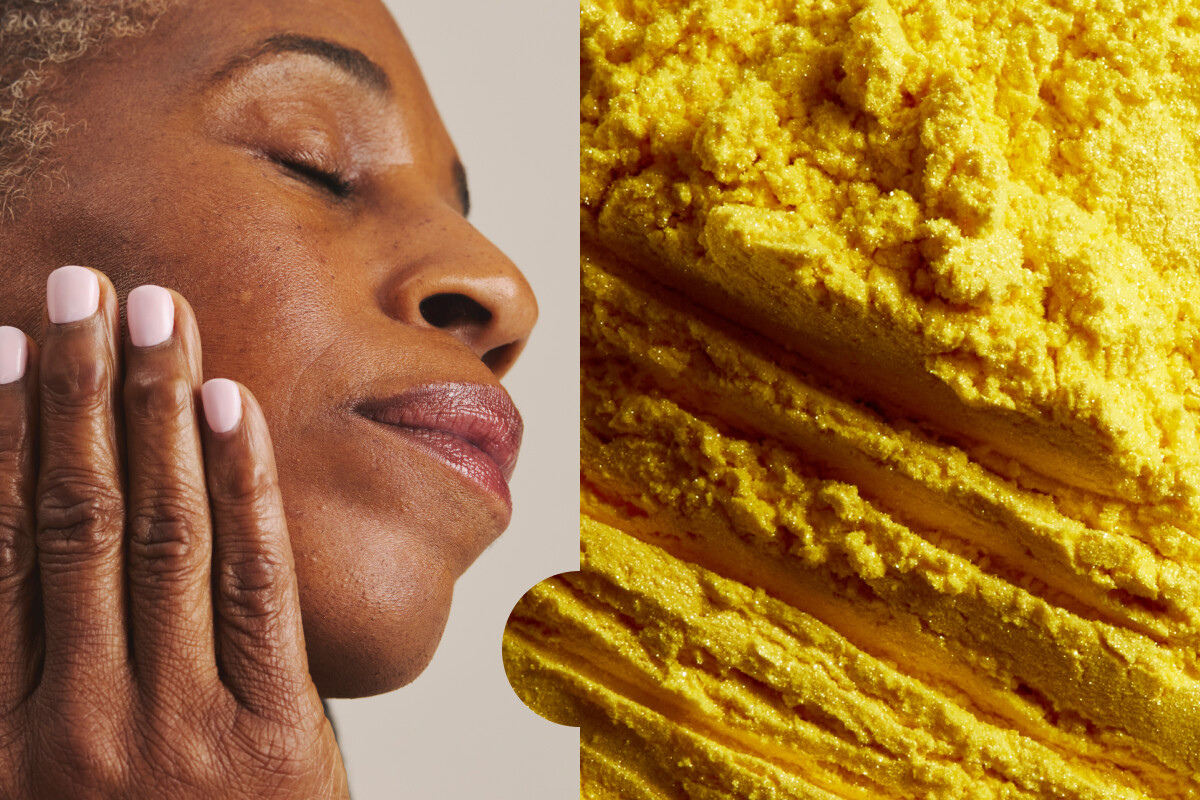
Gold standard for a reason, Vitamin C helps fade pigmentation and uneven skin tone, and offers free radical protection. Collagen synthesis is supported by Vitamin C too — it helps your skin look smoother and more radiant in 6+ weeks, giving it an energising glow.
Niacinamide – Evens tone and strengthens barrier function
Also known as Vitamin B3, niacinamide helps reduce the look of dark spots, redness or irritation, and uneven tone and texture. It’s well tolerated by most skin types — and plays a key role in supporting the skin barrier and regulating sebum (oil) production.
Retinoids (Vitamin A) – Encourages skin renewal
Retinoids — including retinal, tretinoin and adapalene — support healthy cell turnover, helping to visibly fade visible sun damage and boost overall radiance. They also improve the appearance of fine lines, breakouts and rough skin texture. Considered a gold-standard ingredient in dermatologist-developed routines, they’re a smart long-term investment in your skin health.
Tranexamic acid, kojic acid and glycolic acid – Targets stubborn pigmentation and dark spots
This trio of actives are in Advanced Dark Spot Corrector Serum because they’re known to help refine your skin tone, soothe inflammation and visibly fade dark spots. With added liquorice root extract, the formula targets concerns like dark spots and sun damage.
The takeaway: Sunscreen alone, better together
If you had to choose between sunscreen or antioxidants on a desert island, go for sunscreen.
Sun protection — whether it’s sunscreen, UPF clothing or a visor — is the most proven way to lower your risk of DNA damage, reducing your risk of skin cancer, signs of ageing, a weakened skin barrier and hyperpigmentation.
Antioxidants take skin longevity a step further, sweeping up any remaining environmental aggressors missed by your SPF. While they do help offset the longer-term effects of UV exposure, they don’t block UV damage like sunscreen.
Curious which products or formulas could suit your skin? Find out more via our website.
References
1. Stone WL, Pham T, Mohiuddin SS. Biochemistry, Antioxidants [Internet]. PubMed. Treasure Island (FL): StatPearls Publishing; 2020. Available from: https://www.ncbi.nlm.nih.gov/books/NBK541064/
2. Michalak M. Plant-Derived Antioxidants: Significance in Skin Health and the Ageing Process. International Journal of Molecular Sciences. 2022 Jan 6;23(2):585.
3. Jesus A, Mota S, Torres A, Cruz MT, Sousa E, Almeida IF, et al. Antioxidants in Sunscreens: Which and What For? Antioxidants [Internet]. 2023 Jan 1 [cited 2023 Jan 19];12(1):138. Available from: https://www.mdpi.com/2076-3921/12/1/138
4. Park KS. Pharmacological Effects of Centella asiatica on Skin Diseases: Evidence and Possible Mechanisms. Evidence-Based Complementary and Alternative Medicine [Internet]. 2021 Nov 20;2021:e5462633. Available from: https://www.hindawi.com/journals/ecam/2021/5462633/
5. Sauer N, Małgorzata Oślizło, Brzostek M, Wolska J, Katarzyna Lubaszka, Katarzyna Karłowicz-Bodalska. The multiple uses of azelaic acid in dermatology: mechanism of action, preparations, and potential therapeutic applications. Postępy Dermatologii i Alergologii [Internet]. 2023 Jan 1;40(6):716–24. Available from: https://www.ncbi.nlm.nih.gov/pmc/articles/PMC10809820/


Related Posts