How To Build A Pigmentation Fighting Routine
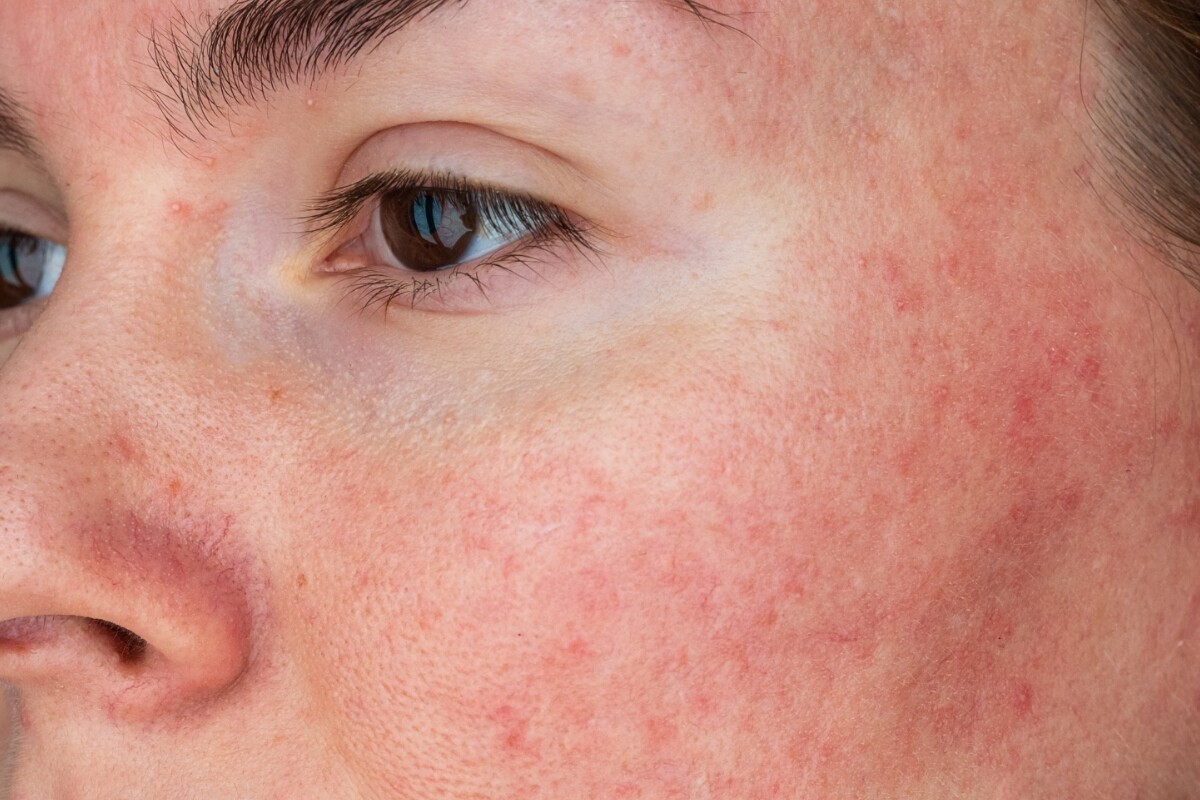
It can sometimes feel like there’s no point fighting hyperpigmentation (commonly called dark spots). These brown, flat, irregular spots or patches on the skin are generally harmless and fairly common — but they’re also stubborn to treat, and can come back or get worse without warning. However, the right treatments can make a remarkable difference to how healthy and rejuvenated your complexion looks. (1)
There are three main types of hyperpigmentation:
1. Post-inflammatory hyperpigmentation appears after the skin has been inflamed, leftover from acne breakouts, flare-ups of existing inflammatory conditions such as eczema, irritation or cuts.
2. Melasma presents as small or large darker patches – often seen across the forehead, upper lip or cheeks. It’s linked to sun exposure and hormonal changes, such as those experienced during pregnancy.
3. Sun damage (Sunspots, Age Spots or Lentigines) are pigmented patches that develop over time on areas that are regularly exposed to UV light, such as the face, hands, and chest.
When putting together a hyperpigmentation fighting routine, our team believes a stepladder approach works best. Start with the simplest solutions first, and see if you notice an improvement. If you don’t, you can graduate to more advanced treatments like a personalised formula.
Here is a routine our dermatologists might put together for a customer with hyperpigmentation, including routine essentials, protection and prevention tips, and the prescription and high street products they recommend.
STEP 1: Cleanse
Choose a gentle cleanser like our Balancing Glycerin Gel Cleanser, which is non-comedogenic and suitable for all skin types, including sensitive and/or blemish-prone. Cleansing twice a day removes dirt, makeup and harmful bacteria from your skin, preparing it for the hydrating products and treatments you layer on top.
Have balanced or dry skin? You might prefer our melting cream to oil Caring Squalane Cream Cleanser.
STEP 2: Hydrate
Often our skin feels tight or in need of extra moisture. When this happens, Daily Hydration 5HA+Cica Serum provides an essential daily moisture boost. A moisturised skin barrier is more resilient to infection, and less likely to get irritated, so it’s essential for your skin health. Use it once or twice a day depending on your skin’s needs.
When to moisturise: After the ‘Treat’ step (STEP 3), apply a thin layer of Soothing Centella Gel Moisturiser or Nourishing Ceramide + Peptide Moisturiser to further lock in the moisture from your hydrating serum.
How to Treat Hyperpigmentation (Dark Spots)
There are many effective treatment options for hyperpigmentation – both from the high street and via a prescription service. We’ll outline our experts’ top recommendations in bold below – these are backed by science to help reveal a brighter, more even skin tone, and reduce the look of existing pigmentation over time.
STEP 3: Treat
Left unchecked, dead skin cells can build up on the surface of the skin. And if we have hyperpigmentation, this build up can make dullness, dark spots and post-blemish marks more visible. (2) If you’re relatively new to active skin treatments , or your condition isn’t bothersome, our dermatology experts recommend these active ingredients to start with:
1. Alpha-hydroxy Acids (AHAs) like glycolic acid gently exfoliate dead cells that are stuck on the surface, revealing new and healthier skin beneath.
2. Kojic acid is an effective skin lightening ingredient that targets existing dark spots like post-blemish marks, and is easier to access than a prescription ingredient like hydroquinone.
3. Tranexamic acid also helps brighten and even out the overall complexion.
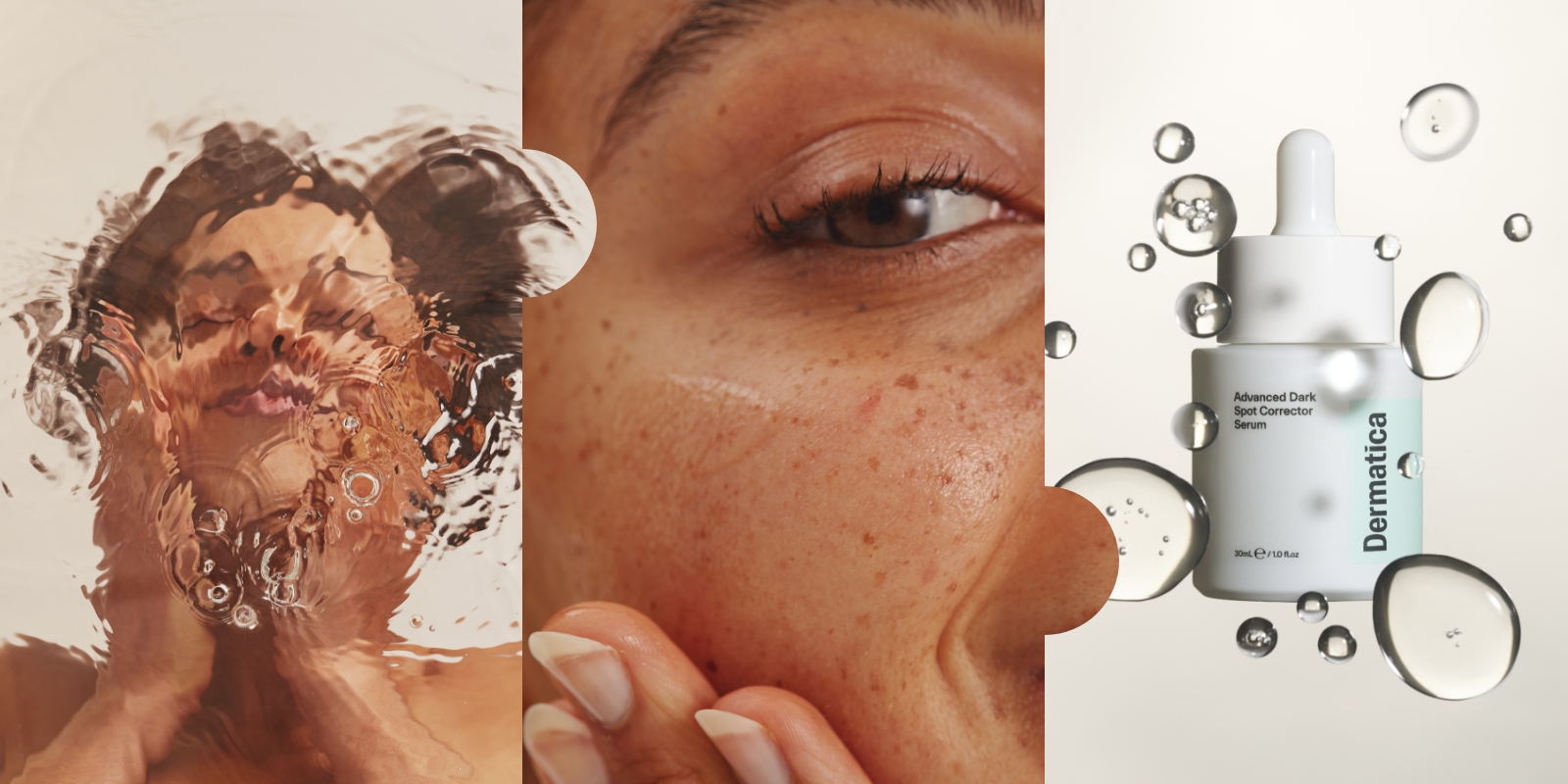
Our new Advanced Dark Spot Corrector Serum has a powerhouse blend of glycolic acid, kojic acid and tranexamic acid. Developed with dermatologists, the encapsulated actives treat dark spots smarter not harsher. It helps resurface uneven texture and fade imperfections to revitalise the complexion.
Over the counter Retinoids (Vitamin A derivatives) are also effective at keeping melanin production under control.
1. Retinol is one of the most gentle retinoids. It’s widely available in most [pharmacies/drugstores] and great for newcomers or mild dark spot concerns.
2. Retinal (retinaldehyde) is up to 11x more potent than retinol. It’s often more tolerable than stronger retinoids like tretinoin, plus you can get it without a prescription. (4)
3. Topical Vitamin C (L-Ascorbic Acid) helps regulate melanin production and is well tolerated by almost all skin types. Powerhouse antioxidants ferulic acid and Vitamin E also help protect you from daily damage. You’ll find all three hero ingredients in our Vitamin C 15%: Fresh Batch Ascorbic Acid. This product works best when applied with broad-spectrum sunscreen. (5)
If you’ve tried non-prescription treatments for over three months, and you’re still not seeing enough improvement, it may be time to step up to a prescription treatments or a personalised formula.
Prescription Treatments (The Gold Standard)
Tretinoin (often nicknamed ‘tret’ for short) is only available on prescription. Its ‘cult status’ comes from its ability to visibly improve skin tone and uneven texture. Tretinoin is also proven to boost healthy collagen production over time, helping to keep our skin plump and resilient.
Since tretinoin can be up to 20x more effective than retinol, it’s also more likely to cause some initial irritation, which is why a prescription is necessary. Tretinoin is not suitable to use while pregnant or breastfeeding.
As a skin lightener, hydroquinone is considered to be the gold standard treatment for all types of hyperpigmentation. It works by decreasing melanin formation in the skin, effectively evening out the skin tone. However, it can be irritating if it’s used incorrectly or for too long, which is why it’s important to check in with your dermatology team regularly. It is not suitable to use while pregnant or breastfeeding. (6)
STEP # 4 – Protection & Preventing Hyperpigmentation from Getting Worse
When it comes to dark spots, prevention is much easier (and cheaper) than a cure. And no matter what your skin type is, your most effective weapon is sunscreen. Too much sun exposure has been proven to worsen hyperpigmentation, make our skin age faster and trigger breakouts. By wearing a broad-spectrum (UVA/UVB) sunscreen (SPF50+) and protective clothing, you’re much less likely to develop visible damage like dark spots, rough texture, fine lines, and wrinkles. (7)
Our SPF50 Photodamage Defence Sunscreen offers powerful daily broad-spectrum protection. This lightweight yet nourishing fluid absorbs quickly, is fragrance-free, and suitable for sensitive skin.
Another helpful prevention tip is to brush your teeth before starting your skincare routine. Toothpaste residue left on the skin can cause irritation, especially when combined with active ingredients, and any resulting inflammation can worsen hyperpigmentation.
Consistency beats quantity when it comes to skincare, so keep your routine realistic and easy to follow every day, morning and evening. Using active ingredients is key to treating hyperpigmentation effectively, but go slow. Some actives are very powerful, so don’t introduce them all at once, or use them at the same time of day. Be aware that while a slight tingling sensation is normal at first, persistent pain or stinging isn’t and could seriously damage your skin barrier. Be patient and remember that the reward for putting in the work now will be a lifetime of healthier, glowing skin.
For personalised advice on your skin’s needs, find out which formulas are suitable for your skin on our website.
References
Thawabteh AM, Jibreen A, Karaman D, Thawabteh A, Karaman R. Skin Pigmentation Types, Causes and Treatment—A Review. Molecules [Internet]. 2023 Jun 18;28(12):4839. Available from: https://www.mdpi.com/1420-3049/28/12/4839
Humphrey S, Manson Brown S, Cross SJ, Mehta R. Defining Skin Quality. Dermatologic Surgery. 2021 Jun 14;Publish Ahead of Print(7).
Zasada M, Budzisz E. Retinoids: active molecules influencing skin structure formation in cosmetic and dermatological treatments. Advances in Dermatology and Allergology [Internet]. 2019 Aug;36(4):392–7. Available from: https://www.ncbi.nlm.nih.gov/pmc/articles/PMC6791161/
Konisky H, Bowe WP, Yang P, Kobets K. The Clinical Efficacy and Tolerability of a Novel Retinaldehyde Serum with Firming Peptides to Improve Skin Texture and Signs of Photoaging. Journal of drugs in dermatology : JDD [Internet]. 2024 Jan;23(11):992–7. Available from: https://pubmed.ncbi.nlm.nih.gov/39496127/
Murray JC, Burch JA, Streilein RD, Iannacchione MA, Hall RP, Pinnell SR. A topical antioxidant solution containing vitamins C and E stabilized by ferulic acid provides protection for human skin against damage caused by ultraviolet irradiation. Journal of the American Academy of Dermatology. 2008 Sep;59(3):418–25.
Schwartz C, Jan A, Zito PM. Hydroquinone [Internet]. PubMed. Treasure Island (FL): StatPearls Publishing; 2020. Available from: https://www.ncbi.nlm.nih.gov/books/NBK539693/
Hamzavi I, Fatima S, Braunberger T, Mohammad T, Kohli I. The role of sunscreen in melasma and postinflammatory hyperpigmentation. Indian Journal of Dermatology [Internet]. 2020;65(1):5. Available from: https://www.ncbi.nlm.nih.gov/pmc/articles/PMC6986132/


Related Posts