Retinoids are vitamin A derivatives that have a multitude of positive benefits to the skin. They’re now widely used in both prescription and over-the-counter skincare.
Retinoids help speed up the rate of skin cell turnover – stimulating it to regenerate and shed dead skin cells, unclog pores and build collagen. Tretinoin – also known as retinoic acid – is one of the most-researched retinoids on the market.
What does Tretinoin do for the skin?
Not only does tretinoin have robust evidence to support its efficacy, it also benefits from being a multitasker for the skin. Which is why many Dermatica customers with different skin types and concerns might have some percentage of this retinoid in their personalised formulas.
Tretinoin for ageing
First up, we prescribe topical tretinoin for photodamaged skin experiencing signs of premature or accelerated ageing. Used regularly, it can reduce the appearance of fine lines and facial wrinkles, fade age spots, improve skin texture and elasticity and boost collagen production for firmness. (1)
Tretinoin for hyperpigmentation
Increasing cell turnover causes the skin to exfoliate – which removes the damaged, hyperpigmented cells caused by UV exposure or hormonal changes. What’s then revealed is the healthy, even-toned skin underneath.
What can I expect when I start using tretinoin?
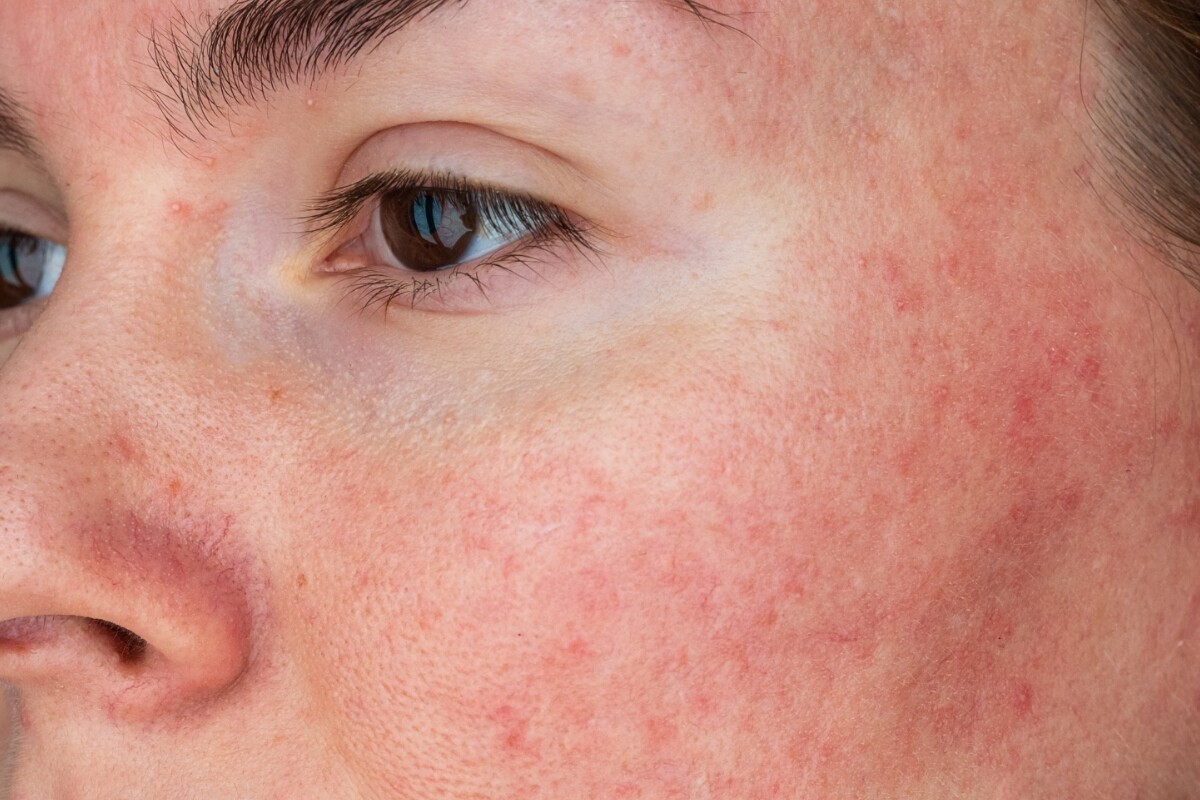
Remember to be patient when embarking on your own tretinoin journey. At the beginning, your skin may become red, flaky, dry and tight. And if you’ve got acne – you could even see an increase in acne breakouts (also known as skin purging) before it gets better. These side effects are entirely normal – and will ease as your skin learns to tolerate the treatment.
How long does it take for tretinoin to show results?
Some people begin to notice an improvement in their skin after two to four weeks. In others it can take up to four months of consistent treatment to see results. You can read our comprehensive timeline for seeing retinoid results here.
Hyperpigmentation
For hyperpigmentation, post-inflammatory hyperpigmentation (PIH) and melasma our customers usually see visible results within 12 weeks. It’s worth noting that UV exposure can cause dark spots and acne scars to worsen, and making it take longer to see results. That’s why wearing broad-spectrum sunscreen with an SPF 30+ like our SPF50 Photodamage Defence Sunscreen every day is essential. (2)
Skin ageing
Think of treating skin ageing as a marathon not a sprint. While visible results can be seen within just eight weeks of treatment, the appearance of wrinkles and fine lines, as well as skin firmness (from the long-term boost in collagen production) could take three to six months to improve. (3)
Skin glow
Dullness is usually caused by a buildup of dead cells on the skin. By speeding up cell turnover, tretinoin can help with more radiant, glowing skin too. It can take anywhere between four weeks to eight weeks to see a noticeably improved healthy glow. (4)
How to get Tretinoin on prescription
Think your skin would benefit from a prescription for tretinoin or other active ingredients? Our dermatology experts will recommend a personalised treatment plan and formula just for you, with powerful ingredients you can’t access over the counter, to help you reach your skin goals. Find out what formulas are suitable for your skin by visiting our website.
Image at top
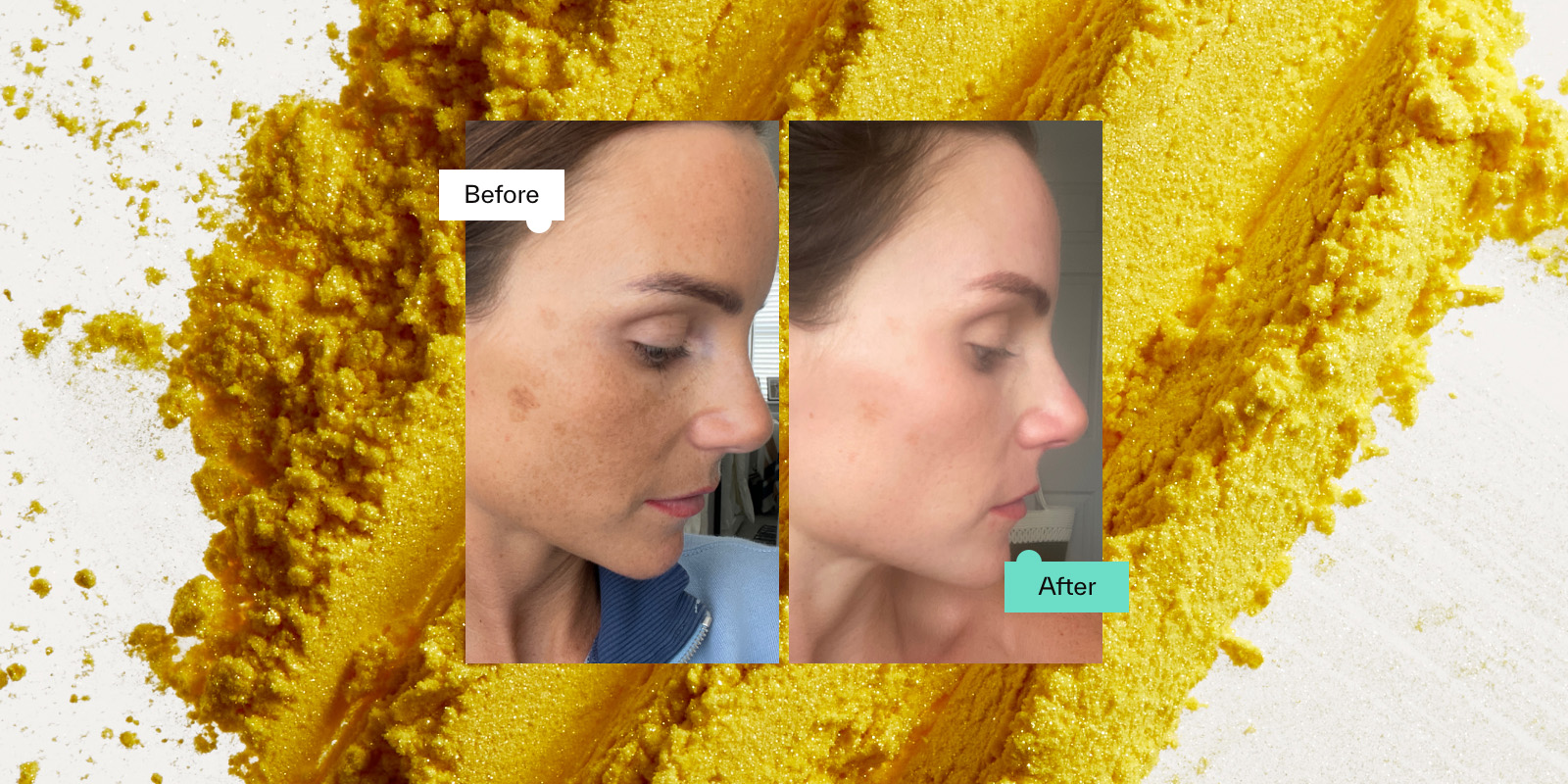
Tretinoin before and after: for hyperpigmentation
Dermatica customer Rachael, 1 month
References
1. Milosheska D, Roškar R. Use of Retinoids in Topical Antiaging Treatments: A Focused Review of Clinical Evidence for Conventional and Nanoformulations. Advances in Therapy. 2022 Oct 11;39(12):5351–75.
2. Callender VD, Baldwin H, Cook-Bolden FE, Alexis AF, Stein Gold L, Guenin E. Effects of Topical Retinoids on Acne and Post-inflammatory Hyperpigmentation in Patients with Skin of Color: A Clinical Review and Implications for Practice. American Journal of Clinical Dermatology. 2021 Nov 9;
3. Quan T. Human Skin Aging and the Anti-Aging Properties of Retinol. Biomolecules [Internet]. 2023 Nov 1;13(11):1614. Available from: https://www.mdpi.com/2218-273X/13/11/1614
4. Michalak M, Pierzak M, Kręcisz B, Suliga E. Bioactive Compounds for Skin Health: A Review. Nutrients. 2021 Jan 12;13(1):203.

Caroline Ferry
Caroline Ferry is a freelance journalist and copywriter, who has written for Grazia Magazine, Harper's Bazaar, Tatler and Elle and consults for many skincare, fragrance and fashion brands.

Ash Sharma
Dr Ashwin Sharma is a medical doctor and writer with a particular interest in health technology, artificial intelligence and medical weight loss. He completed his training at the University of Leicester and Imperial College London, and has since been exploring the intersections of medicine, technology, and communication.
Related Posts