Gluconolactone: A Guide to PHA Skincare Benefits
If you’re looking for a beginner-friendly exfoliating acid in the quest for smoother, brighter skin, gluconolactone is a really good place to start. Known for its extra-gentle nature, gluconolactone is a polyhydroxy acid (PHA) that’s recommended for sensitive skin types and those who are less likely to tolerate AHAs and BHAs.
In this guide we’ll explain the difference between these chemical exfoliants, gluconolactone benefits, and why PHAs deserve a spot in your skincare routine.
Understanding exfoliating acids: AHAs, BHAs, and PHAs
There are two ways to exfoliate. You can do it physically, using a scrub or cloth to cause friction and manually buff away dead skin cells. Or you can use a liquid exfoliant, which contains ingredients that help to break the bonds between dead skin cells, causing them to shed. This is where acids come in.
Exfoliating acids (also known as chemical exfoliants) are usually categorised into three types: alpha-hydroxy acids (AHAs), beta-hydroxy acids (BHAs) and polyhydroxy acids (PHAs). They work in similar ways, but are suitable for different skin types and concerns.
Which one you choose will depend on how sensitive your skin is, and what you’re hoping to improve. Here’s how to pick from a PHA vs AHA vs BHA for your skincare routine.
Alpha-hydroxy acids (AHAs): The power exfoliants
What is an AHA and how does it work?
AHAs mainly work on the surface of your skin, but they don’t hold back. These potent exfoliants work by dissolving the glue between dead skin cells, speeding up your natural cell turnover and helping to reveal the brighter, fresher skin beneath.
Who are they suitable for?
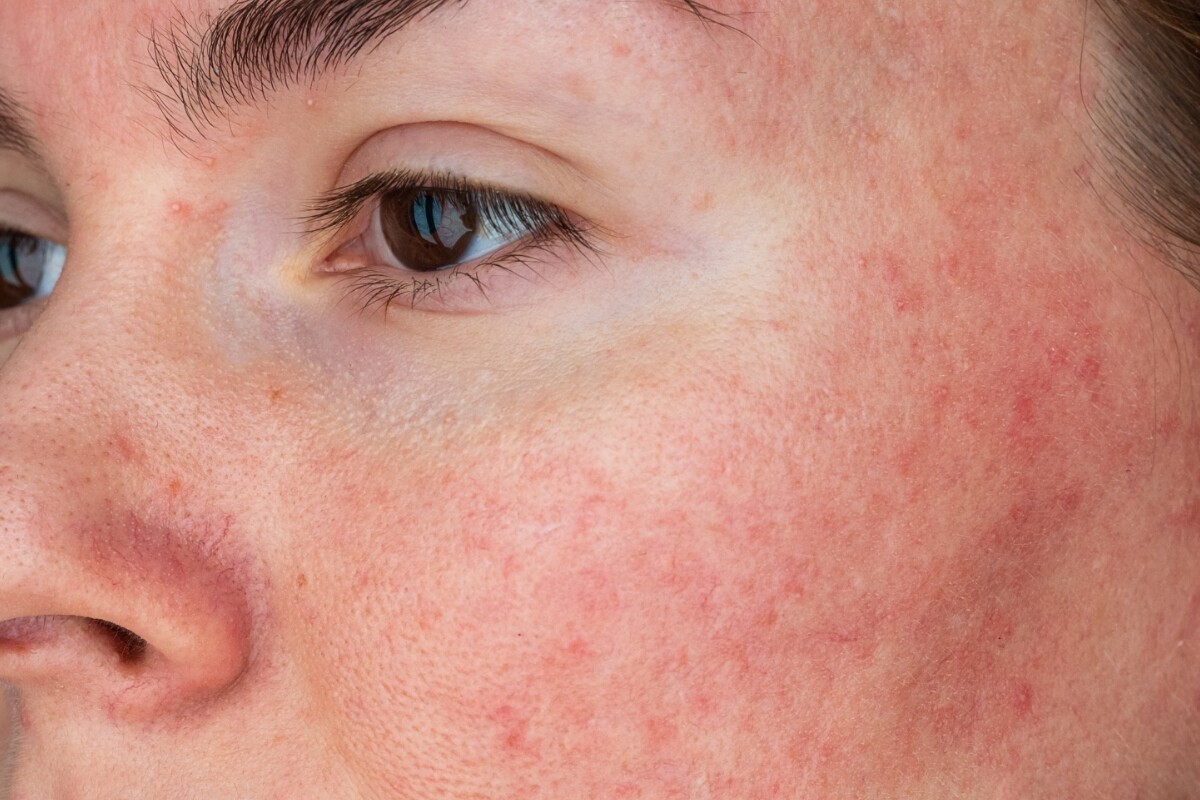
Common alpha-hydroxy acids include glycolic, lactic, mandelic, and citric acids. They’re best for dry, dull, sun damaged or uneven skin, but they may cause irritation in some people. So if you have sensitive, reactive or rosacea-prone skin, you may want to avoid AHAs and try PHAs instead. AHAs can also increase photosensitivity if not careful.
Beta-hydroxy acids (BHAs): The clarifying exfoliants
What is a BHA and how does it work?
BHAs behave differently. They work both on the skin’s surface and by delving deeper into the pores. They’re oil-soluble, so they dig down through the oils in your skin to dissolve sebum, unclog pores and help reduce blackheads and acne.
Who are they suitable for?
The best known beta-hydroxy acid is salicylic acid. You’ll usually find it in clarifying formulas designed for oily, combination and congested skin prone to breakouts. It can be quite drying, so those with very dry or sensitive skin may find it causes tightness or irritation.
Polyhydroxy acids (PHAs): The gentle exfoliants
What is a PHA and how does it work?
A new generation of exfoliating acids, PHAs work in a similar way to AHAs, but they’re gentler on the skin. That’s because they have larger molecules, so they work slowly and more superficially on the skin’s surface to lift away dead skin cells. They also have humectant properties, which means they help to draw in moisture and hydrate the skin as they go.
Who are they suitable for?
Some of the most common PHAs include gluconolactone, lactobionic acid, and maltobionic acid. They’re the best choice for sensitive, reactive or rosacea-prone skin, as they’re less irritating compared to AHAs.
Gluconolactone: The best PHA for sensitive skin
What is gluconolactone?
Gluconolactone is a polyhydroxy acid, derived from gluconic acid. It’s a very gentle chemical exfoliant and humectant, helping to remove dead skin cells and hydrate the skin in one.
While all PHAs are mild, gluconolactone is considered the most gentle and therefore the best starter acid. It’s ideal for even the most sensitive skin, and particularly helpful for dry or mature skin types. It’s very well tolerated, suitable for daily use, and is less likely than other acids to cause irritation, stinging or peeling.
Gluconolactone benefits
This gentle exfoliating acid is no one-trick pony. While it’s primarily seen as the best chemical exfoliant for sensitive skin, it has plenty of other benefits that are worth knowing about.
Gentle exfoliation for smoother skin texture
Gone are the days of needing to scrub your skin with a grainy physical exfoliator. This PHA can help to smooth your skin texture without causing irritation. It works by carefully exfoliating the outermost layer of your skin (the stratum corneum), buffing away dead skin cells to reveal the fresher, smoother skin beneath.
Brightening and glow
Regular exfoliation isn’t just about resurfacing your skin to improve texture. It helps to tackle dullness too, by removing dead skin cells and making way for the healthy new ones, giving you a brighter and more radiant complexion.
Getting those old skin cells out of the way is also key to making sure your skincare can get to work. By applying the rest of your routine to newer, healthier skin, you’ll waste less product and may see results faster.
Hydration and moisture retention
The smartest thing about gluconolactone is that it’s a hydrating exfoliating acid. A powerful humectant, it helps to attract water while it’s giving your skin a good polish.
Holding onto moisture is essential to keep skin feeling soft, supple and resilient. It helps to support the skin’s natural moisture barrier function, making it less drying than other types of acid.
Antioxidant protection
Perhaps the most surprising skin benefit of gluconolactone is its antioxidant properties. It neutralises free radicals that are caused by pollution and sun exposure, helping to prevent the signs of premature ageing. Over time, this can help to improve the appearance of an uneven skin tone and make fine lines less noticeable.
Anti-glycation properties
Glycation is a natural process where excess sugar molecules in the bloodstream bind to skin proteins like collagen and elastin. These form harmful molecules called Advanced Glycation End Products (AGEs), which can cause wrinkles, pigmentation, and yellowing of the skin. [1] All key signs of premature ageing. Gluconolactone can slow the process down, and help to preserve skin elasticity and firmness. [2]
Soothing and calming
Not only are PHAs better suited to sensitive skin compared to other exfoliating acids, but they can help to calm that sensitivity too. And that’s where gluconolactone stands out.
Firstly, removing dead skin cells and supporting the skin’s natural renewal process is just as important for fragile skin as more robust skin types. It’s a vital part of keeping the skin looking and feeling healthy.
Secondly, the way gluconolactone works helps to support sensitive skin in the long run. Its large molecular structure means that it works on the very top layer of the skin, with less risk of stinging, burning, or barrier micro‑damage.
And because it’s hydrating, it supports the skin barrier instead of stripping away moisture. Your skin barrier is your strongest defence against sensitivity and irritation, because it helps to hold all the good things like moisture and lipids in, and keep all the bad things like pollution and irritants out.
PHA vs AHA
If you have dry, dull or mature skin, your exfoliating acid of choice should be a PHA or an AHA. But which one is right for you?
While they do similar jobs, they differ in how hard and fast they work. Choosing the best exfoliant for you will come down to your skin’s tolerance levels, how often you’ll be using it and how quickly you want to see results.
Choose PHAs if:
– You’re new to acids and want to start with a more gentle formula
– You have sensitive, reactive, rosacea-prone or eczema-prone skin
– You have an impaired skin barrier, or have recently had sensitised skin
– You’re using high-strength retinoids which are causing some irritation or sensitivity
– You’re looking for a daily product rather than a more intense treatment
– You’re concerned about additional sun sensitivity or dark spots
Choose AHAs if:
– Your skin is balanced and not prone to sensitivity or reactions
– You want faster results and your skin tolerates actives well
– You’re targeting photoageing, rough texture or hyperpigmentation
– You’re looking for an intense treatment to use once or twice a week rather than something to apply every day
How to add gluconolactone into your skincare routine
Choose your product format
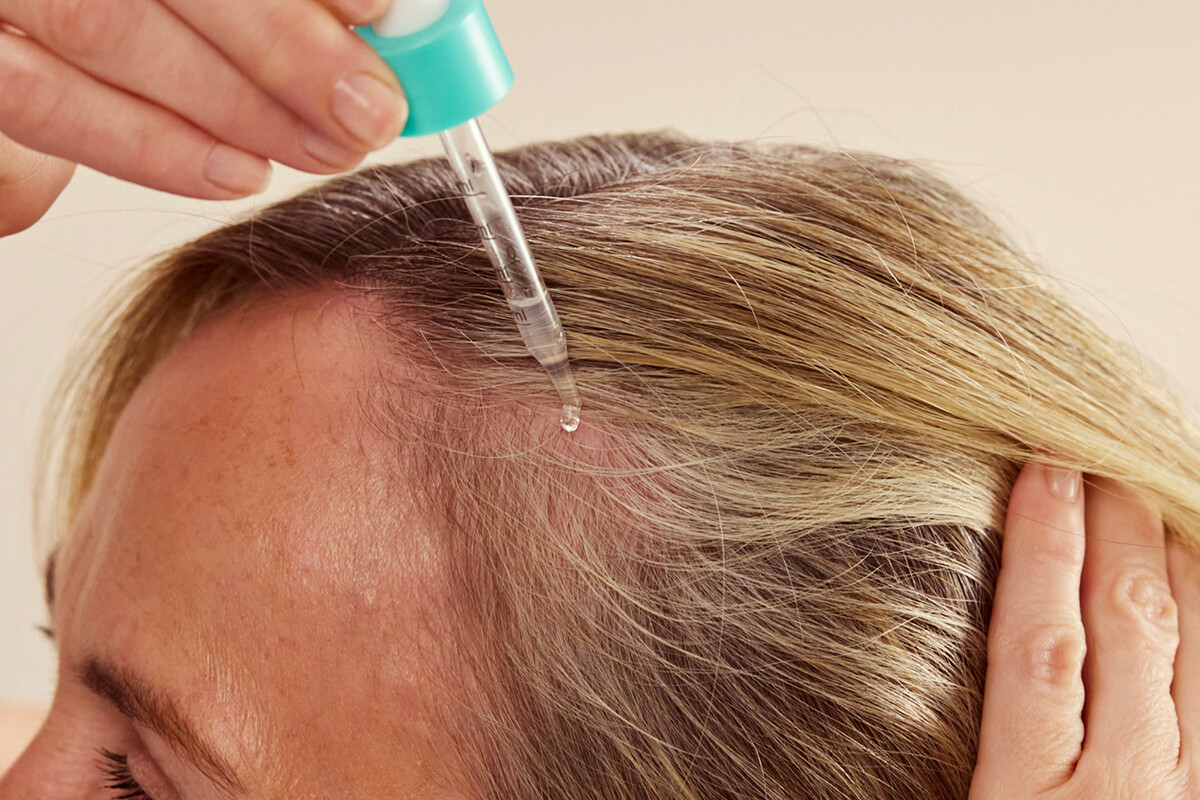
You’ll find PHAs in different types of products, from serums and creams to cleansers, toners and liquid exfoliants. The main difference is whether it’s a wash-off or leave-on formula. A rinse-off formula is a good place to start if you’re extra sensitive.
Check your strength and frequency
Different formulas will include PHAs at different strengths, depending on the skin types and concerns they’re created for. But generally you’ll find gluconolactone at concentrations of between 2-10% in everyday, leave-on formulas. [3]
Gluconolactone is considered mild enough for daily use, but if you’re particularly sensitive or using other exfoliants or actives in your routine, start by using it once or twice a week. You can always increase your usage gradually as your skin adjusts to it.
You can use PHAs in the morning or the evening, but you might find that the evening is best, right after cleansing. Always apply sunscreen (SPF 30+) in the morning to protect your skin throughout the day.
Plan your routine around your actives
While gluconolactone is mild, it’s still an exfoliant. And you want to avoid over-exfoliation, because too much could lead to a damaged skin barrier, stinging or irritation.
That’s why it’s important to consider the other actives in your routine. So if you’re already using retinoids (vitamin A), AHAs or BHAs, it’s best to use PHAs at a different time of day.
On the plus side, PHAs pair well with barrier-supporting ingredients like niacinamide, ceramides, panthenol and ectoin.
Find out what treatment is suitable for you with Dermatica.
References;
1. Zheng W, Li H, Go Y, Felicia H, Huang Q, Wu J. Research Advances on the Damage Mechanism of Skin Glycation and Related Inhibitors. Nutrients [Internet]. 2022 Nov 1;14(21):4588–8. Available from: https://doi.org/10.3390%2Fnu14214588
2. Green B, Edison B, Bojanowski K, Weinkauf R. Antiaging Bionic and Polyhydroxy Acids Reduce Non-Enzymatic Protein Glycation and Skin Sallowness [Internet]. [cited 2026 Mar 6]. Available from: https://www.qvsiete.com/wp-content/uploads/Antiaging-Bionic-and-Polyhydroxy-Acids-Reduce-Non-Enzymatic-Protein-Glycation-and-Skin-Sallowness.pdf
3. Bergfeld W, Donald F, Belsito V, Cohen D, Klaassen C, Liebler D, et al. Safety Assessment of Glycolactones as Used in Cosmetics The Expert Panel for Cosmetic Ingredient Safety members are: Chair [Internet]. 2021 [cited 2026 Mar 9]. Available from: https://www.cir-safety.org/sites/default/files/Glycolactones.pdf

Caroline Ferry
Caroline Ferry is a freelance journalist and copywriter, who has written for Grazia Magazine, Harper's Bazaar, Tatler and Elle and consults for many skincare, fragrance and fashion brands.

Related Posts