Ask a derm: Should I use Retinal, or go straight to a Personalised Formula?
If you’re serious about finding skincare that works, chances are you’ve come across the word retinoid. From signs of ageing to acne, this family of Vitamin A derivatives treats a range of mild to complex conditions — and has earned its reputation as a true multitasker. But with so many names floating around, including retinol, retinal, tretinoin, adapalene, it’s easy to feel lost in the jargon.
Here’s what our dermatology team recommends.
What are retinoids?
Retinoids are a family of ingredients, all derived from Vitamin A. Once applied, they convert into retinoic acid — the active form your skin can use.
Retinoids work by speeding up cell turnover (exfoliation), boosting collagen synthesis (the essential protein that keeps skin firm, flexible and elastic), and regulating oil production (rebalancing both dryness and breakout-prone skin). The multitude of long-term skin benefits explain why topical Vitamin A is one of the most popular treatments in dermatology. Not only for softening fine lines and improving texture, but also for clearing breakouts and evening out dullness and dark spots.
There are several different types, which all work in slightly different ways on the skin. Over-the-counter options like retinol and retinal (retinaldehyde) are popular drugstore options, while prescription forms such as tretinoin work faster. [1]
Can anyone use retinoids?
Retinoids aren’t suitable if you’re pregnant, breastfeeding or trying to conceive.
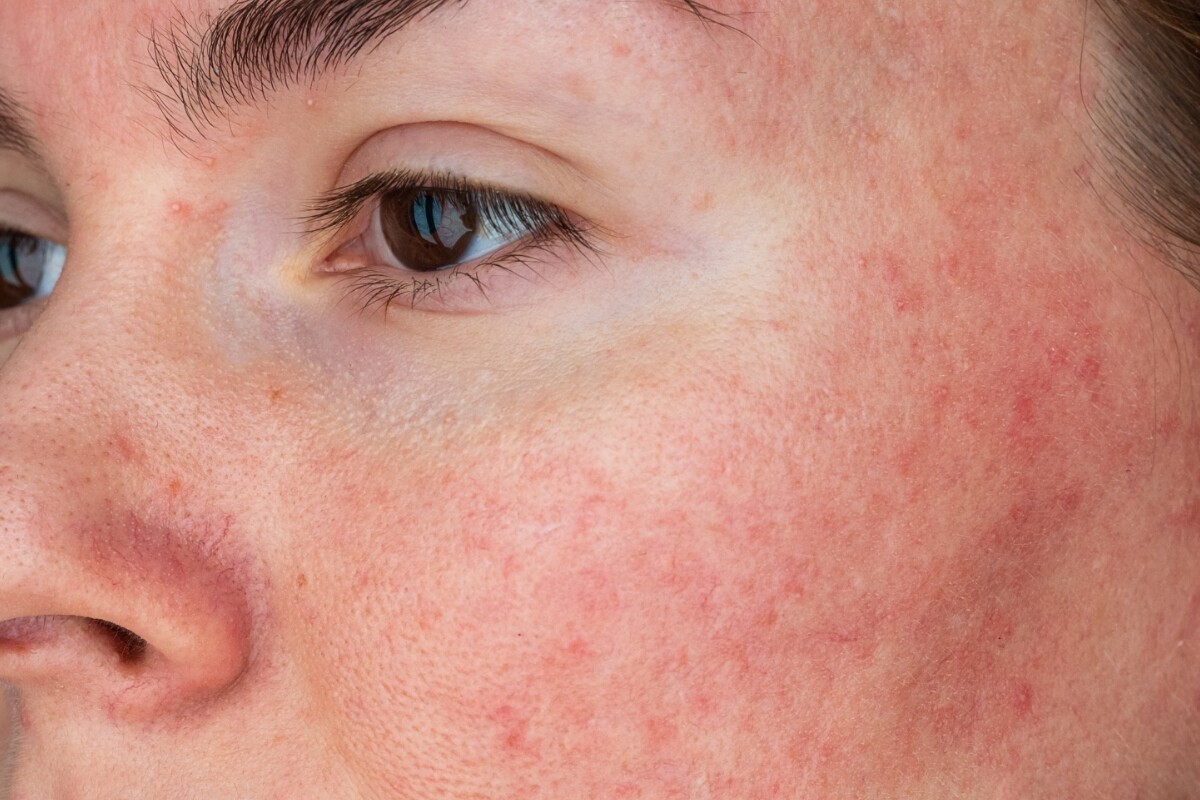
If you have certain skin conditions, such as rosacea, or sensitive skin you may need to take extra care.
We’ll explain more about this below, but if you have a complex skin condition — or you’re currently pregnant, breastfeeding or trying to conceive — it’s best to move straight to a personalised formula. That way, our expert dermatology team can assess your skin and your individual needs, before choosing safe ingredients that will help improve your skin and avoid making your condition worse. [2]
What is retinal, and who is it best for?
Retinal (retinaldehyde) is a next-generation retinoid that works up to 11 times faster than standard retinol, while still being available without a prescription. Retinal only needs one conversion step to become active on the skin, which means:
– Faster, more visible results than retinol
– Gentle enough for most skin types, including sensitive skin
– Available in different strengths, so you can build your tolerance gradually
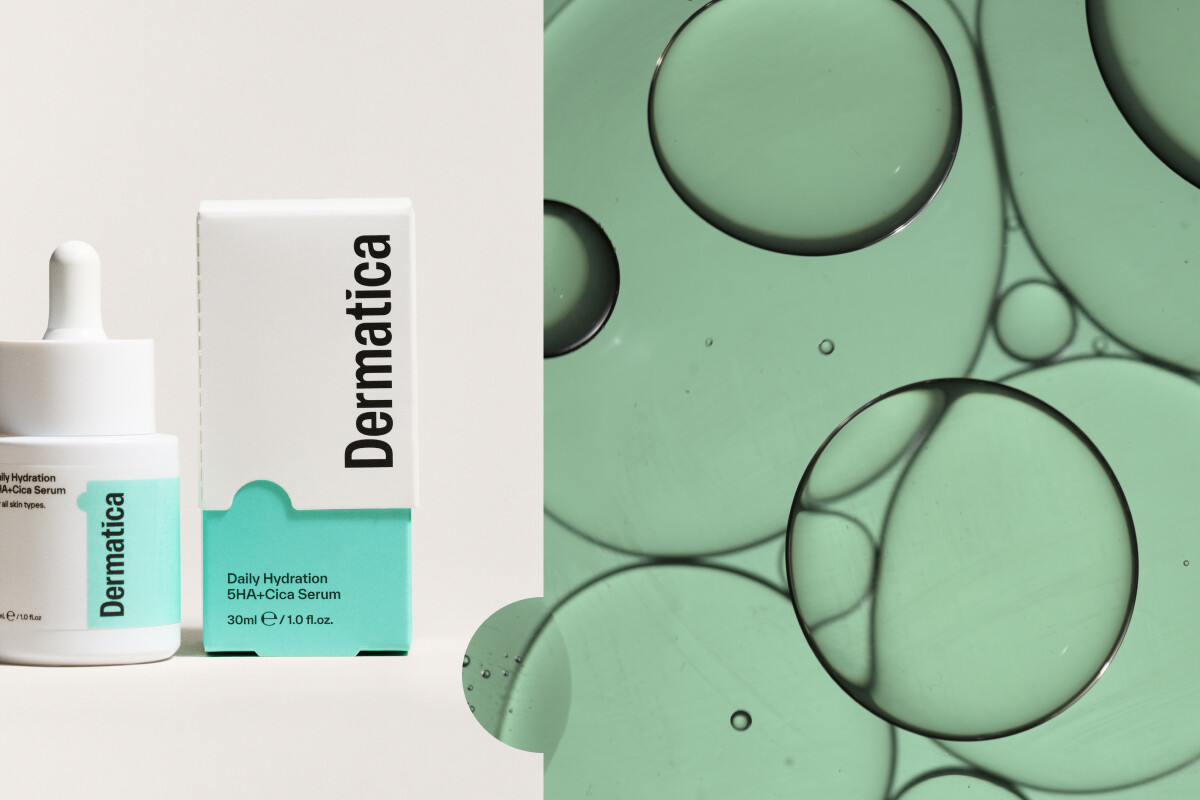
Dermatica’s step-up Retinal System includes three levels (0.05%, 0.1% and 0.2%), allowing you to move up at your own pace as your skin adjusts. It’s also formulated with panthenol, Vitamin E, squalane and a biomimetic growth factor to help soothe and support your skin barrier while the retinal treats your skin. [2]
Starting with our Retinal System is ideal if you’ve:
– Never tried retinoids before but want a clinically backed anti-ageing serum, without a prescription
– Tried a personalised formula containing tretinoin or adapalene before and found it wasn’t suitable
Does retinal cause side effects?
Retinoids including retinal may cause temporary side effects in some people, especially if your skin is more sensitive.
Some dryness, peeling or ‘purging’ (breakouts) is normal in the beginning as your skin gets used to the active ingredient, and this can last between 2–6 weeks after starting retinal. To help keep your skin barrier healthy, especially at the beginning, follow these tips.
1. Introduce slowly, 2–3 times a week at first. Gradually increase to daily use as your skin gets used to it.
2. Apply at night on clean, dry skin
3. Always follow with a nourishing moisturiser, and/or use the ‘Sandwich Method’
4. You must wear broad-spectrum sunscreen (SPF 30+) every morning, even when it’s rainy, overcast or you’re staying indoors. Sunscreen helps prevent inflammation, oxidative stress from the environment, and sun damage. [4]
What’s a personalised formula?
Unlike shop-bought serums or treatments, Dermatica’s personalised formulas are bespoke to you. After a consultation, one of our experts will design a treatment plan to target your skin concerns.
Why choose a personalised formula?
– Tailored to your skin type and targeted to reach your goals
– Contains a combination of active ingredients that are often not available over the counter
– Expert guidance with unlimited check-ins from our dermatology team
– Flexible and adaptable. Your formula is adjusted according to your progress.
– No guesswork, we build and manage your plan for you
Will my personalised formula contain prescription retinoids?
Not always. Your personalised formula may include a prescription retinoid depending on your skin type, concern, needs, and whether it’s the most suitable option to reach your goals. [4]
Dermatica is home to the widest selection of science-backed active ingredients. If retinoids aren’t the best option for you, it’s because our experts have chosen ingredient(s) that are more suitable for your skin and treatment goals.
Do I need one?
If you want faster results, or you have complex concerns, going straight to a personalised formula is the best option for you. It’s more targeted, and you’ll receive tailored advice throughout. You’ll also have regular check-ins, so our expert team can monitor your progress and adjust your formula at no extra cost — adapting the ingredients or the strengths so you keep reaching your goals.
Our dermatology team usually recommends a personalised formula if you’re dealing with:
– Persistent acne or recurring breakouts
– Stubborn pigmentation or melasma
– Signs of ageing such as wrinkles, loss of firmness or extensive sun damage
– Rosacea
– No or plateauing results from over-the-counter skincare products and want something stronger
Can I use more than one retinoid at a time?
No, you should always stick to one retinoid product at any time. Doubling up or switching between topical Vitamin A treatments too often can cause skin irritation, or even damage your skin barrier.
Which option is more effective?
Both our Retinal System and personalised formulas are highly effective options, developed with dermatologists using clinically backed ingredients. The right choice for your skin will depend on your goals and your lifestyle.
Retinal System: This range is suitable for those who want to start their skincare journey without committing to a prescription.
Think of the Retinal System as a step up pathway. You’ll start with Retinal 0.05% Serum (Level 1), then progress to Retinal 0.1% Serum (Level 2). Once you reach Retinal 0.2% Serum (Level 3), the next step is to move on to a personalised formula to continue building on your results
Personalised formula: More tailored, targeted and versatile. This is best when cosmetic skincare isn’t enough, or you want faster results and a safe, tailored routine. [3, 5]
Final thoughts
Choosing between our Retinal System and a personalised formula should never be about chasing the “strongest” option.
Seeing visible results from your skincare is less about the number of active ingredients you use, or their strength. Instead, it’s how consistently you apply it. Remember, skincare is a marathon, not a sprint. It’s more important to use products that work for your skin, keep your skin barrier healthy and that you can use regularly without irritating or compromising your skin barrier.
If you’re unsure, our dermatology team recommends starting a free consultation. However, if you aren’t ready to sign up to a personalised formula yet, then our Retinal System is an easy, commitment-free way to start your retinoid journey.
Find out which formulas or products are suitable for your skin by visiting our website.
References
1. Zasada M, Budzisz E. Retinoids: active molecules influencing skin structure formation in cosmetic and dermatological treatments. Advances in Dermatology and Allergology [Internet]. 2019 Aug;36(4):392–7. Available from: https://www.ncbi.nlm.nih.gov/pmc/articles/PMC6791161/
2. Konisky H, Bowe WP, Yang P, Kobets K. The Clinical Efficacy and Tolerability of a Novel Retinaldehyde Serum with Firming Peptides to Improve Skin Texture and Signs of Photoaging. Journal of drugs in dermatology : JDD [Internet]. 2024 Jan;23(11):992–7. Available from: https://pubmed.ncbi.nlm.nih.gov/39496127/
3. Motamedi M, Chehade A, Sanghera R, Grewal P. A Clinician’s Guide to Topical Retinoids. Journal of Cutaneous Medicine and Surgery. 2021 Jul 22;26(1):120347542110350.
4. Angga Cipta Narsa, Cecep Suhandi, Janifa Afidika, Salsabil Ghaliya, Elamin KM, Nasrul Wathoni. A Comprehensive Review of the Strategies to Reduce Retinoid‐Induced Skin Irritation in Topical Formulation. Dermatology Research and Practice. 2024 Jan 1;2024(1).
5. Milosheska D, Roškar R. Use of Retinoids in Topical Antiaging Treatments: A Focused Review of Clinical Evidence for Conventional and Nanoformulations. Advances in Therapy [Internet]. 2022 Oct 11;39(12):5351–75. Available from: https://link.springer.com/article/10.1007/s12325-022-02319-7


Related Posts