Winter 2026 Skincare Trends, Reviewed by a Derm – SkinLab
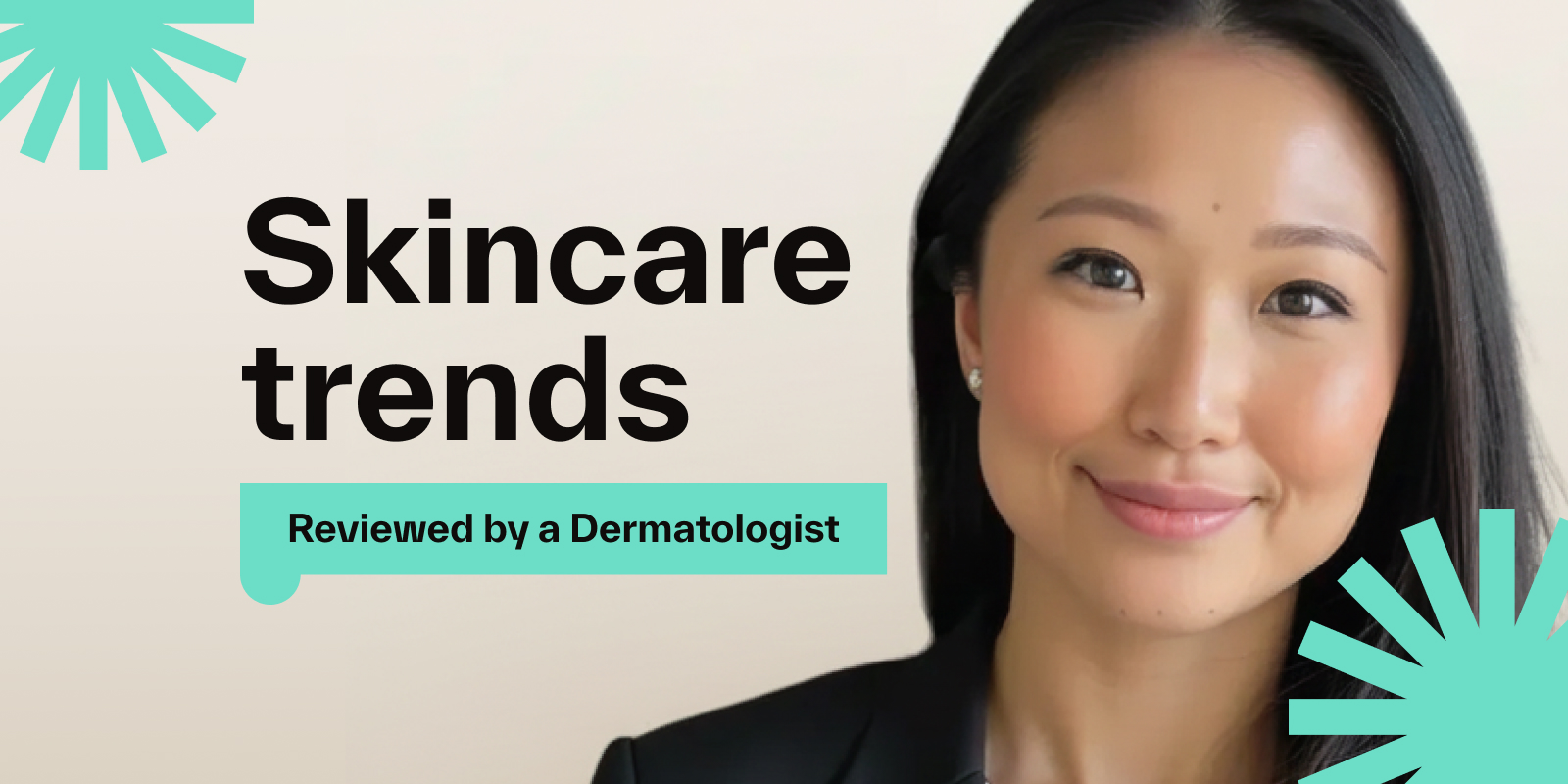
Why does your skin erupt every winter despite following all the advice? Because most winter skincare trends aren’t backed by science. These trends resurface each year predictably, but which ones are actually worth it? We asked Dermatica’s Consultant Dermatologist, Dr. Shendy Engelina, to separate fact from fiction and spotlight the trends that work when temperatures fall.
Myth #1: Seasonal Immune-Boosting Skincare
Winter means flu season, the annual invasion of uninvited pathogens that weaken your immune system. Cue the ginger shots, vitamin C mega doses and hurried flu jabs. But skin immunity, the first barrier pathogens encounter, is largely ignored.
Winter skin immunity might sound like marketing spin, but it’s based on solid science. Your skin functions as an active immune organ that blocks pathogens and initiates immune responses as needed. [1] Skin-associated lymphoid tissue (SALT) forms part of your skin’s defence mechanism, recognising potential threats and coordinating inflammatory signals to protect against infection.
In simple terms, keratinocytes, the cells that form your skin’s outer layer, act as biological alarm systems. When they detect danger, they release antimicrobial peptides and signalling molecules that alert your immune system. [2]
Sun exposure, UV rays and pollution create oxidative stress and inflammation that compromise SALT’s effectiveness. Your skincare routine can either enhance or undermine this system. Aggressive exfoliators and over-cleansing strip away barrier lipids and beneficial microbes your skin needs to function, triggering unnecessary inflammatory immune responses.
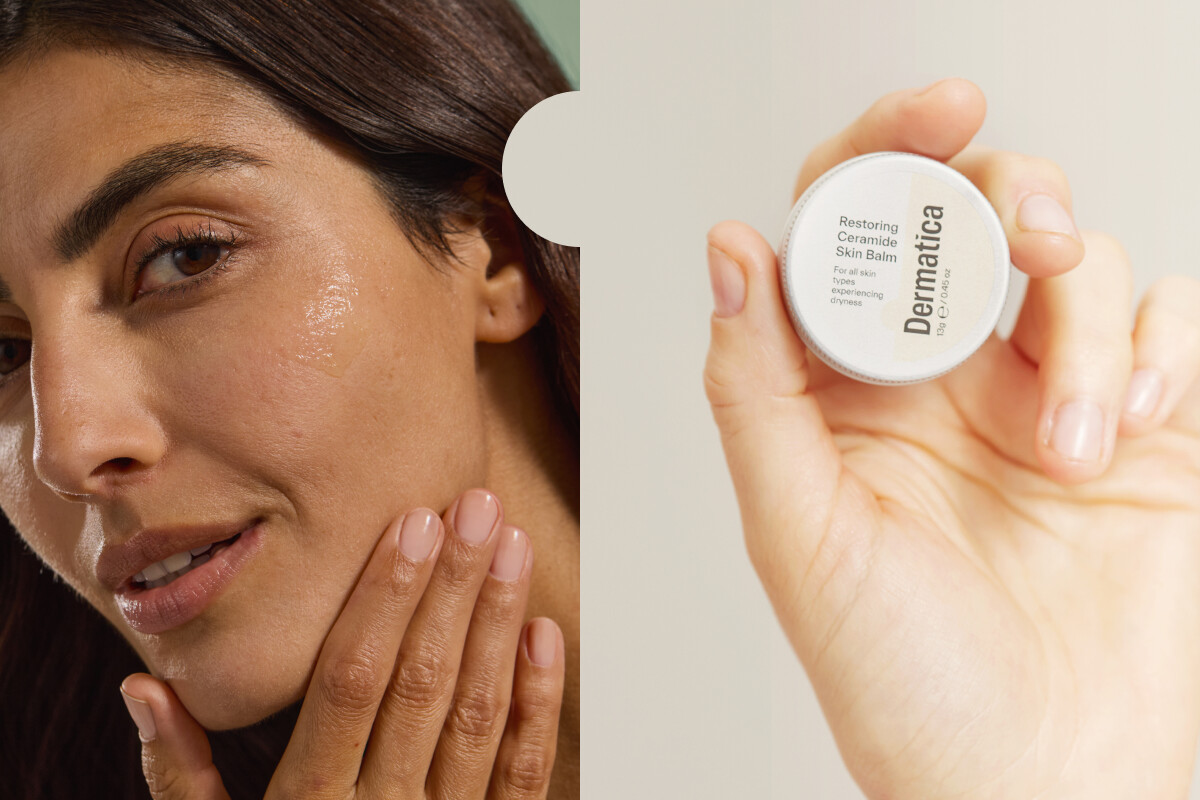
“Immunity skincare starts with an emphasis on getting the fundamentals right. That should be consistent gentle cleansing, moisturising and sunscreen to strengthen your skin barrier,” says Dr Engelina. Adding,”Our Caring Squalane Cream Cleanser deeply hydrates and protects the barrier, while the Restoring Ceramide Skin Balm strengthens the skin’s defences.”
Myth #2: Bank your Collagen for Skin Preservation
Collagen banking is one of TikTok’s latest skincare trends and it’s grounded in real biology. The concept is simple: preserve and stimulate collagen production, so you can maintain more of your natural collagen as you age. But what is collagen, exactly? It’s the structural protein that makes up 30% of your body’s total protein stores, acting as the foundational framework for skin, muscles, bones, tendons and ligaments. [3] It’s what creates plump, firm skin that’s often associated with a youthful glow.
Collagen production gradually declines from your late twenties onwards. [4] The result is fine lines, wrinkles and a loss of skin firmness and elasticity. While winter doesn’t directly break down collagen, cold temperatures and low humidity can weaken the skin barrier and increase dryness and irritation, making signs of ageing appear more visible. But here’s what matters, according to Dr. Engelina: “The majority of what we call ageing is driven by UV exposure and environmental assault, rather than time alone. That’s encouraging, because it means much of what we see as premature ageing is actually preventable.”
This is where collagen banking comes in. Protect existing supplies while stimulating new production. Amino acids, peptides and antioxidants rebuild structural proteins. Vitamin C defends against free radical assault and microneedling creates controlled injury that kickstarts collagen synthesis.
“If you’re serious about supporting your skin, hair and nails health and addressing visible ageing, Dermatica Collagen Complex provides marine collagen peptides and antioxidants support,” says Dr. Engelina.
Notice signs of pigmentation and dullness? Try Dermatica Vitamin C 15%: Fresh Batch Ascorbic Acid, formulated to neutralise UV and free radical damage while delivering genuine brightening.
Myth #3: Winter-Safe Actives for Skin Resilience
Why does your usual skincare routine leave skin dry and irritated in winter? Because winter attacks skin relentlessly. Dry indoor heat evaporates moisture while freezing outdoor air cracks your barrier. So, what to do? Combine your routine with targeted skincare that prevents or addresses damage as it happens to strengthen skin defences.
Actives are powerful ingredients made to target specific skin concerns like pigmentation, congestion and uneven texture.If there’s one active that’s earned its reputation as an exceptional ingredient, it’s retinoids. Retinoids (tretinoin, adapalene, retinal or retinol) are vitamin A-derived molecules that bind to retinoic acid receptors in the skin, increasing cell turnover and accelerating renewal. They enhance skin’s radiance, reduce the appearance of fine lines, improve skin texture, treat acne, stimulate collagen production and regulate oil production. [5]
Many people tolerate retinoids well in warmer months, but once winter arrives, stinging, tightness and irritation can suddenly appear. Colder weather weakens the skin barrier and increases moisture loss, meaning the skincare routine that worked perfectly in summer may no longer be enough. Rather than stopping retinoids altogether, the key is to adjust your routine for the season. By increasing hydration and barrier support, retinoids can continue to deliver results without unnecessary dryness or irritation.
Dr. Engelina recommends using retinoids year-round for lasting results, but suggests adjusting your routine seasonally: “Retinoids can still work safely in winter, but it’s important to monitor how your skin reacts. I recommend switching to a richer moisturiser and applying it more often to manage dryness during the colder months. Our Nourishing Ceramide + Peptide Moisturiser is a great option.”
Find out what formulas are suitable for your skin by visiting our website.
References:
1. Jillian M. Richmond, John E. Harris, Immunology of the Skin, Editor(s): Michael J.H. Ratcliffe, Encyclopedia of Immunobiology, Academic Press, 2016. Available from: https://academic.oup.com/bjd/article-abstract/149/s66/2/6635208?redirectedFrom=fulltext&login=false
2. Jillian M. Richmond, John E. Harris, Immunology of the Skin, Editor(s): Michael J.H. Ratcliffe, Encyclopedia of Immunobiology, Academic Press, 2016. Available from: https://academic.oup.com/bjd/article-abstract/149/s66/2/6635208?redirectedFrom=fulltext&login=false
3. Collagen. (n.d.). Cleveland Clinic. Available from: https://my.clevelandclinic.org/health/articles/23089-collagen
4. Collagen banking: Beauty’s long game. (2024, August 14). GCI Magazine. https://www.gcimagazine.com/brands-products/skin-care/article/22917728/collagen-banking-beautys-long-game
5. Motamedi, M., Chehade, A., Sanghera, R., & Grewal, P. (2022). A clinician’s guide to topical retinoids. Journal of Cutaneous Medicine and Surgery, 26(1), 71–78. Available from: https://journals.sagepub.com/doi/pdf/10.1177/12034754211035091
Autumn 2025 Skincare Trends, Reviewed by a Derm
When it comes to trends, skincare moves fast. But do social media’s most viral ingredients, products and hacks really work? Are they safe and backed by science? We asked Dermatica’s Consultant Dermatologist, Dr Shendy Engelina, to share her professional expertise on the myths and misconceptions surrounding some of the biggest skincare trends this autumn.
Myth #1: “Barrier repair 2.0”
Barrier repair skincare isn’t new, but it is timely for Autumn. As temperatures cool, our skin tends to get drier, more dehydrated and could become more sensitive as a result. Fortunately, barrier care isn’t just for dry skin types any more, so this trend is suitable for any skin type at any age.
“Protecting your barrier has evolved and you don’t always need thick creams or balms to hydrate your skin any more,” says dermatologist Shendy Engelina. “Some formulations are lighter in texture than others, and still full of barrier-restoring peptides, ceramides, niacinamide, hyaluronic acid and glycerin,” she says, adding that “Products like our Daily Hydration 5HA+Cica Serum and Soothing Centella Gel Moisturiser are packed with these ingredients and won’t leave your skin feeling greasy. So every skin type can benefit from proper skin barrier care.” [1]
For balanced to dry skin types, you may want to moisturise with our Nourishing Ceramide+Peptide Moisturiser instead, as the slightly richer texture will help hydrate, plump and smooth areas prone to dryness, irritation or flakiness.
Notice sore, tight or flaky skin around delicate areas like your nose, lips or eyes? Applying a thin layer of our Restoring Ceramide Skin Balm overnight will help give your skin the moisture and protection it needs to rebalance and recover.
Myth #2: Vitamin C + Retinoids are back
This ‘trend’ gets a big tick from our team, because amidst the snail mucus and salmon sperm, dermatologist-approved staples like retinoids (derived from Vitamin A) and Vitamin C are back in the spotlight again.
While new products appear and disappear faster than you can blink, Vitamins A and C still have the largest amount of research and data supporting their effectiveness. “Vitamin C (especially potent forms like ascorbic acid) helps brighten and protect your skin from pollution and environmental stressors. Retinoids like retinal or tretinoin help strengthen skin and improve the appearance of fine lines and wrinkles. Both ingredients also encourage collagen production,” says Dr. Engelina. [2, 3]
Myth #3: Skincare for GLP-1 patients
Losing weight quickly can affect our skin’s elasticity and collagen, especially as we get older, leading to sagging and hollowing. “It’s like removing stuffing from a cushion, but the size of the fabric cover stays the same,” explains Dr. Engelina.
Early studies suggest that some people using GLP-1 medications may notice their skin becoming looser, or their face seems less youthful and plump than before. In the media, this is often called ‘Ozempic face.’ [4, 5]
“Whether or not you’re using GLP-1 medications like Ozempic, Wegovy, or Mounjaro, any form of rapid weight loss can lead to fat loss in your face, which may also make collagen reduction and skin laxity more apparent, causing the skin to look less firm” she continues.
“And while retinoids like tretinoin or retinal can help improve firmness by stimulating collagen production, they can’t fully replace lost facial volume . For that, in-office treatments like radiofrequency microneedling or volumising fillers are more effective at tightening, restoring fullness and smoothing fine lines.”
In other words, you don’t need a special skincare product or routine just because you’re using a GLP-1. Instead, focus on supporting your skin barrier and collagen the same way you normally would..
Find out which skincare products or formulas are suitable for your skin via our website.
References
He X, Wan F, Su W, Xie W. Research Progress on Skin Aging and Active Ingredients. Molecules [Internet]. 2023 Jan 1;28(14):5556. Available from: https://www.mdpi.com/1420-3049/28/14/5556
Boo YC. Ascorbic Acid (Vitamin C) as a Cosmeceutical to Increase Dermal Collagen for Skin Antiaging Purposes: Emerging Combination Therapies. Antioxidants. 2022 Aug 26;11(9):1663.
Milosheska D, Roškar R. Use of Retinoids in Topical Antiaging Treatments: A Focused Review of Clinical Evidence for Conventional and Nanoformulations. Advances in Therapy [Internet]. 2022 Oct 11;39(12):5351–75. Available from: https://link.springer.com/article/10.1007/s12325-022-02319-7
Huang L, Ma R, Lin T, Chaudhari S, Shotorbani PY, Yang L, et al. Glucagon-like peptide-1 receptor pathway inhibits extracellular matrix production by mesangial cells through store-operated Ca2+channel. Experimental Biology and Medicine [Internet]. 2019 Sep 11 [cited 2025 Nov 3];244(14):1193–201. Available from: https://pmc.ncbi.nlm.nih.gov/articles/PMC6802160/
Catalfamo L, Saverio F, Rinaldis DD. “Ozempic Face”: An Emerging Drug-Related Aesthetic Concern and Its Treatment with Endotissutal Bipolar Radiofrequency (RF)—Our Experience. Journal of Clinical Medicine [Internet]. 2025 Jul 25;14(15):5269–9. Available from: https://www.mdpi.com/2077-0383/14/15/5269
Summer 2025 skincare trends, reviewed by a Derm
Dermatologist, Dr Shendy Engelina, to share her professional expertise on the myths and misconceptions surrounding some of the biggest skincare trends this summer.
Myth #1: Salmon sperm is the secret to glass skin
Dr Shendy says: “Salmon sperm facials are also known as polynucleotide treatments. Polynucleotides are basically the building blocks of DNA. It is believed that they can help stimulate the production of new blood vessels, collagen and skin cells – which help give the skin a plumper, healthier and more hydrated appearance. In countries where the use of salmon sperm extract has been approved or is regulated, like here in the UK, it is injected into the skin. Where it hasn’t been approved (like in the US), it is applied topically after microneedling treatments.
Like with other skincare trends, more studies are needed to see if it actually works. When applied topically, it’s not going to have the same effect as when injected, or when combined with other practices like microneedling. A 2024 review of polynucleotides found some significant improvements in skin elasticity and hydration, while others reported limited or no benefits. As always, we recommend proven skincare ingredients like retinoids which have robust clinical evidence that could deliver excellent results without the use of salmon sperm.”
Myth #2: The caveman routine is the ultimate reset for upset skin
Dr Shendy says: “Along with many others, I’ve been following this case on TikTok. In response to many years of skin picking, acne and scarring, a woman decided to forgo all skin care products – including face washing – something which she is calling her caveman routine. If you’ve seen the ‘after’ pictures, you’ll know that this TikToker’s skin has not responded well to being neglected, with extremely dry, discoloured patches almost entirely covering her face.
I’ve met so many patients over the years who – after failed attempts to treat their skin – lost faith in products and wanted to try something radical. So I can really empathise with this. However, this course of action is not something myself or any other dermatologist would recommend. Without the correct skincare ingredients:
The original concerns will remain untreated
Leaving the skin without hydration, UV protection or the natural cell turnover that comes with cleansing, will only add to the discomfort and potential skin damage.
As this woman specifically wanted to ‘regenerate her skin’ – the last thing she should do is stop cleansing it. Removing the dead skin cells through gentle cleansing and exfoliation is essential in order to make room for the healthy new skin underneath. Acne-prone skin like hers will often need extra help to encourage skin cell turnover (i.e. regeneration) because natural shedding is often sluggish or uneven. And active ingredients like retinoids have been proven for decades to deliver that end result.”
Myth #3: Matcha is a skincare superfood
Dr Shendy says: “Matcha is believed to be beneficial for the skin because it is naturally high in antioxidants. Antioxidants are important in skincare because they help protect the skin from free radical damage – caused by pollution, UV exposure, smoking and stress – which can lead to accelerated skin ageing. Interestingly many of the matcha products I’ve come across have been cleansers and wash-off treatments, which wouldn’t deliver the antioxidants into the skin in the same way a serum or mask might.
If you’ve found matcha skincare that feels good to use and has been tested on skin to assess its safety – then do it. However, if your primary goal is antioxidant protection, there are well-studied, evidence-backed ingredients that are proven to deliver results such as ascorbic acid (Vitamin C), ferulic acid, niacinamide, and Vitamin E. These have stronger clinical support for protecting the skin from oxidative stress and improving overall skin health.
Spring 2025 skincare trends, reviewed by a Derm
When it comes to trends, skincare moves fast. But do social media’s most viral ingredients, products and hacks really work? Are they safe and backed by science? We asked Dermatica’s Consultant Dermatologist, Dr Shendy Engelina, to share her professional expertise on the myths and misconceptions surrounding some of the biggest skincare trends this spring.
Myth #1: You can’t use LED masks if you’re also using retinoids
Dr Shendy says: “That is indeed a myth. Generally, you can use LED light therapy while using retinoids – including both prescription, and over the counter products. However, it’s important to introduce LED light gradually and use it at different times of the day to your retinoids. For example, you might use your LED mask in the morning then your tretinoin at night.
My advice? Monitor your skin closely. If you develop reactions like redness or irritation, you may need to stop both treatments temporarily as this will allow your skin to recover. If in doubt, always speak to your GP or our expert dermatology team here at Dermatica.”
Myth #2: Silicon patches can reduce fine lines and wrinkles
Dr Shendy says: “If your algorithm is anything like mine, you’ll have seen a lot of people on TikTok try these out. For the uninitiated, a wrinkle patch is an adhesive, usually made of silicone, designed to be worn overnight. It works by keeping facial muscles still and trapping moisture, temporarily reducing the appearance of wrinkles. People commonly apply these patches to areas like the forehead, around the eyes, mouth, neck and chest.
While silicone patches may leave your skin feeling instantly smoother, there is little evidence to suggest they provide lasting effects. The wrinkle-reducing results are primarily due to temporarily limiting facial movements, and these effects usually fade within a few hours. There are also other types of patches infused with ingredients like retinol, hyaluronic acid, or other hydrators, which may provide additional benefits – but these benefits come from the active ingredients themselves, not the patch. You could achieve similar results by incorporating those ingredients into your regular skincare routine.
Wrinkle patches are generally safe to use, but those with sensitive skin may experience redness or irritation due to the adhesive. If you’re looking for a temporary fix to reduce the appearance of wrinkles for a special event, they can be a helpful option. However, for long-term, lasting results, it’s better to rely on evidence-backed ingredients like retinoids, peptides, and Vitamin C.”
Myth #3: Nappy rash cream can be used to treat acne and inflammation
Dr Shendy says: “Most of the benefits from nappy rash cream come from two ingredients: zinc oxide and petrolatum. Zinc oxide has anti-inflammatory and antibacterial properties, while petrolatum helps skin barrier function.
So this cream could, in theory, be useful for treating dry skin as it is a highly occlusive barrier. Simply put, it creates a barrier on top of the skin to prevent moisture loss. However, it may also have ingredients like fragrances that could cause irritation to the skin on your face.
Many people think that nappy creams could help with acne because of their anti-inflammatory and antibacterial properties, but there’s no solid evidence for this. If anything, they could make it worse as nappy creams often have a thick texture that could clog pores. The cream is also so occlusive that if you apply other active ingredients first, they’ll be absorbed more intensely by your skin, potentially causing more irritation. Ultimately, you should always stick to using skincare that’s formulated for facial skin and has evidence to prove it actually works.”
If you’ve found a skincare trend you’d like an expert opinion on, drop us a DM on Instagram, TikTok or Facebook and we’ll aim to address it in our next mythbusting blog post. Or if you’re a Dermatica customer, you can contact your dermatology team any time for advice.
Myth #4: Electric Gua Sha can treat wrinkles
Dr Shendy says: “By now everyone’s heard of gua sha, an ancient Chinese healing technique that promotes lymphatic drainage and is said to improve skin appearance. But a new product has emerged, the electric gua sha – is it any good? Electric Gua Sha is a modernised version with built-in vibration settings, providing a massaging effect that supports lymphatic drainage and reduces puffiness. Some devices also feature microcurrent technology, which is believed to stimulate facial muscles, potentially leading to a firming effect. Many also include heat therapy, which enhances circulation, resulting in a more radiant complexion.
Essentially, it’s a nice addition to facial massage and its electric functionality makes it ideal for beginners who may not be familiar with traditional Gua Sha. However, it is not a replacement for proven anti-ageing treatments. Electric gua sha won’t offer permanent changes to lift the skin or improve wrinkles. So, if you’re looking for long-lasting results to improve fine lines, wrinkles, and skin radiance, evidence-backed ingredients like retinoids are a far better option.”
Interested in finding an evidence-backed solution to your skin concern? Visit our website here.


Related Posts
February 19, 2026
0 Comments8 Minutes
Female Hair Loss: Why More Women are Asking Dermatologists for Help
January 8, 2026
0 Comments12 Minutes
The Gut-Skin Axis: Why Microbiome Balance is the Secret to Clear Skin