
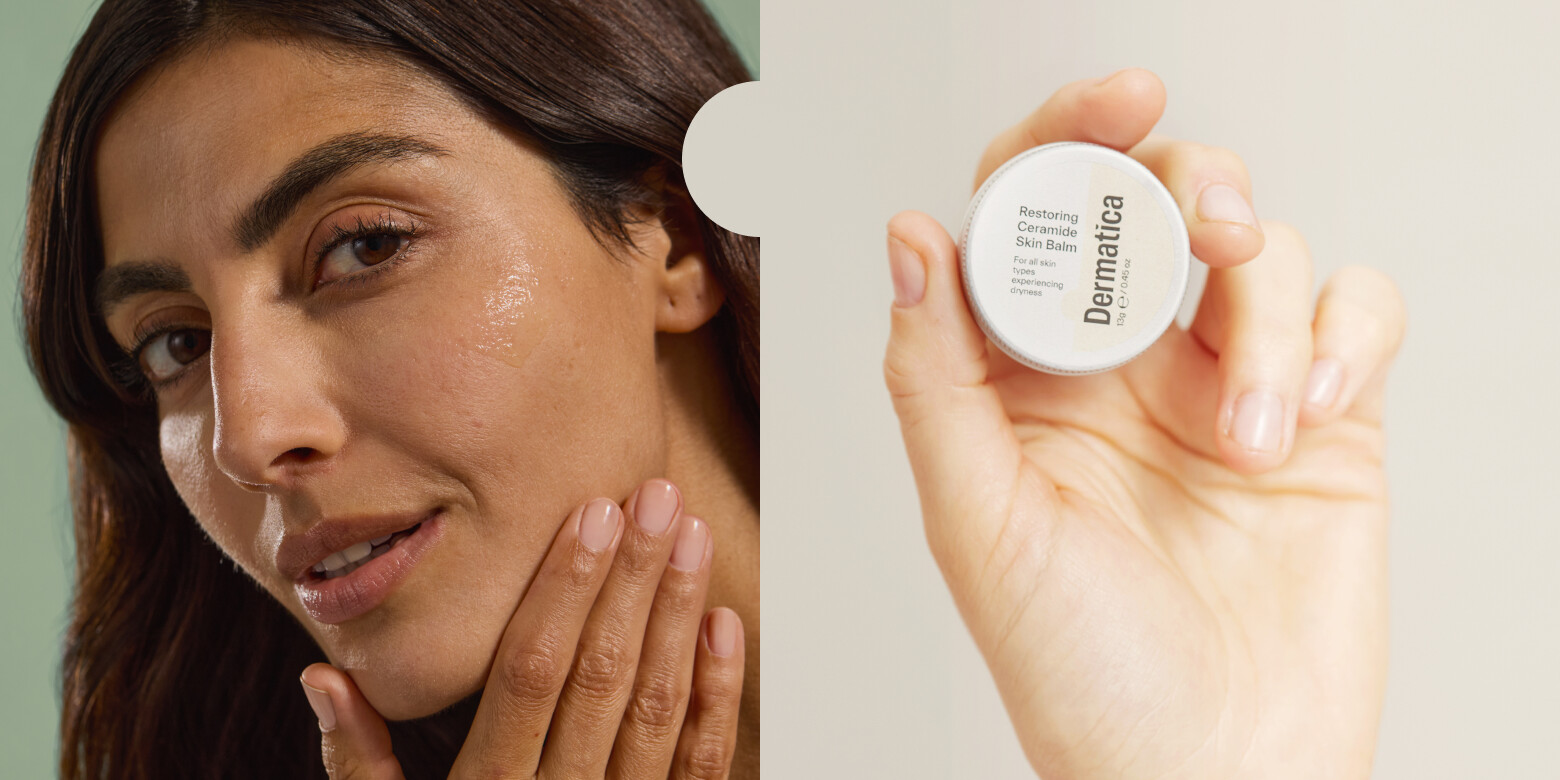
The Ultimate Winter Skin Rescue Guide
Winter has a way of making even the most consistent skincare routine feel… shortchanged. One week your skin feels smooth and predictable, the next it’s tight, flaky, and drinking moisturiser like it’s never seen it before. Your products haven’t stopped working, cold weather, central heating and harsh winds have changed what your skin needs.
This hub brings our most useful winter guides together in one place.
1. Bring Back Balance
This is the season where hydrating products earn their place in your skincare routine, because the sooner you can get proactive about skin barrier care, the better. As the Germans say, “there’s no such thing as bad weather, only bad preparation.”
Look for serums and moisturisers with hyaluronic acid, Centella asiatica, peptides, lipids, fatty acids and panthenol. These provide a hydration boost, helping your skin barrier function healthily, whatever the weather is doing outside.
Our Daily Hydration 5HA + Cica Serum, Soothing Centella Gel Moisturiser and Nourishing Ceramide + Peptide Moisturiser are ideal for this.
During winter, layering is your winter skincare routine’s best friend. Always apply skincare products from thinnest to thickest — hydrating hyaluronic acid serum → Vitamin C (in the morning) or treatment -> moisturiser → balm (if needed) — to help each step absorb properly and keep moisture where you want it: in your skin.
Read: Our Top Winter Skin Tips
2. To Retinoid, or not to Retinoid?
A common winter skincare concern is whether you should keep using retinoids. Fortunately, active ingredients including retinoids and even glycolic acid are fine to use all year round. What’s more, stopping tretinoin, adapalene or retinal can slow down your progress, which would be a shame. This guide explains how retinoids behave in winter, and how to keep them effective without drying your skin out.
Read: How to Use Retinoids on Winter Skin
3. Why You Should Continue Retinoids (If You’re Using One)
Retinoids still work just as well in the colder months, and their gentle exfoliating effect supports a refreshed, natural glow, even on grey days. You may just need to adjust how you use them. If you have sensitive skin, we recommend introducing new products or strengths into your skincare routine slowly, and buffering when needed using the ‘Sandwich Method’.
Read: Maximising the Benefits of Tretinoin & Adapalene in Winter
4. Managing Rosacea
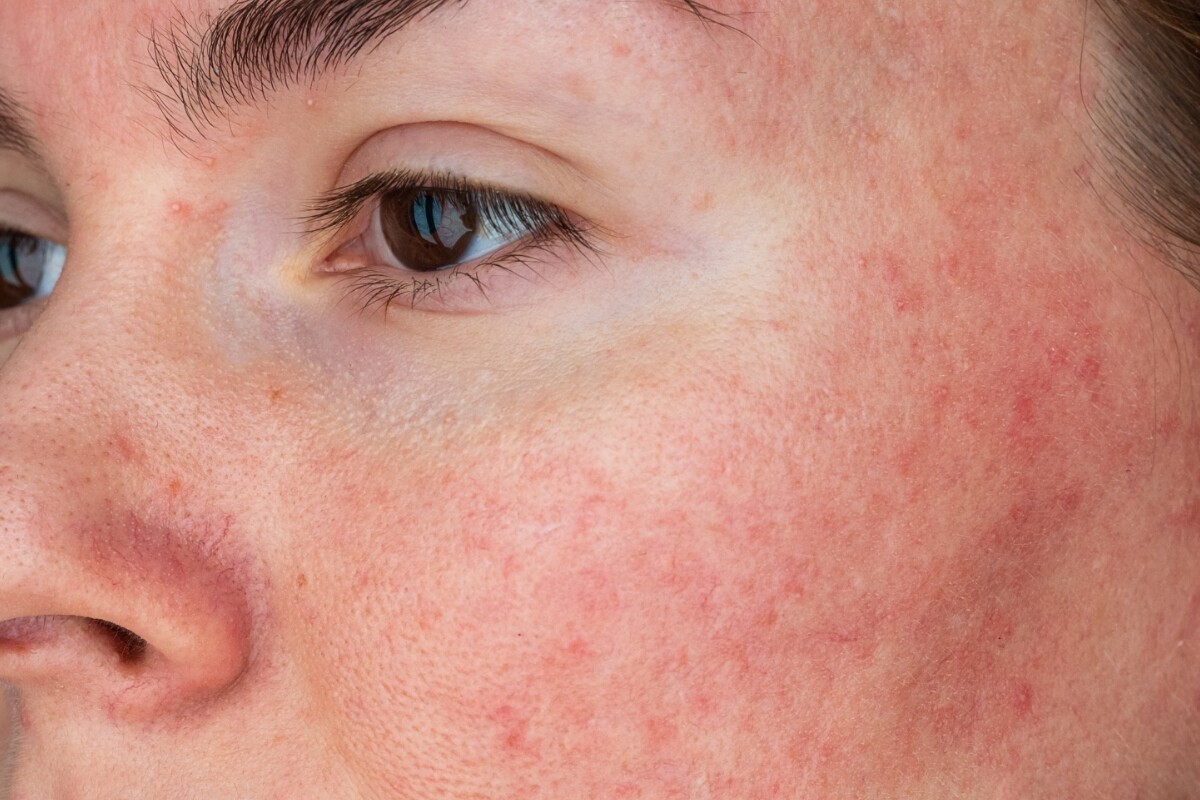
Cold winds, sudden temperature changes and dry air can all trigger rosacea flare-ups. Here’s how our dermatology team helps customers manage them: six clinically-approved steps to support sensitive skin calmer, more comfortable skin throughout the season.
Read: 6 Easy Ways to Manage Winter Rosacea
5. Does Skin Age Faster In Winter?
While it can feel like winter speeds up skin ageing, the science tells a more nuanced story. We explain what’s really happening, UV rays and whether you need sun protection, and the simple habits she returns to, year after year.
Read: Ask a Derm: Does Skin Age Faster in Summer or Winter?
Your Winter Skincare, Personalised
If winter has pushed your skin too far off course, you don’t need to guess your way back. Get personalised skincare advice from dermatology experts this winter, or discover which products and formulas are suitable for your skin type on our website.


Related Posts

February 19, 2026
0 Comments8 Minutes
Female Hair Loss: Why More Women are Asking Dermatologists for Help

January 8, 2026
0 Comments12 Minutes
The Gut-Skin Axis: Why Microbiome Balance is the Secret to Clear Skin