What is Tretinoin? A Powerful Retinoid Explained
Tretinoin — also known as all-trans retinoic acid — is a prescription-strength retinoid. Still the gold standard active ingredient to target signs of ageing, tretinoin works up to twenty times faster than shop-bought alternatives, like retinol.
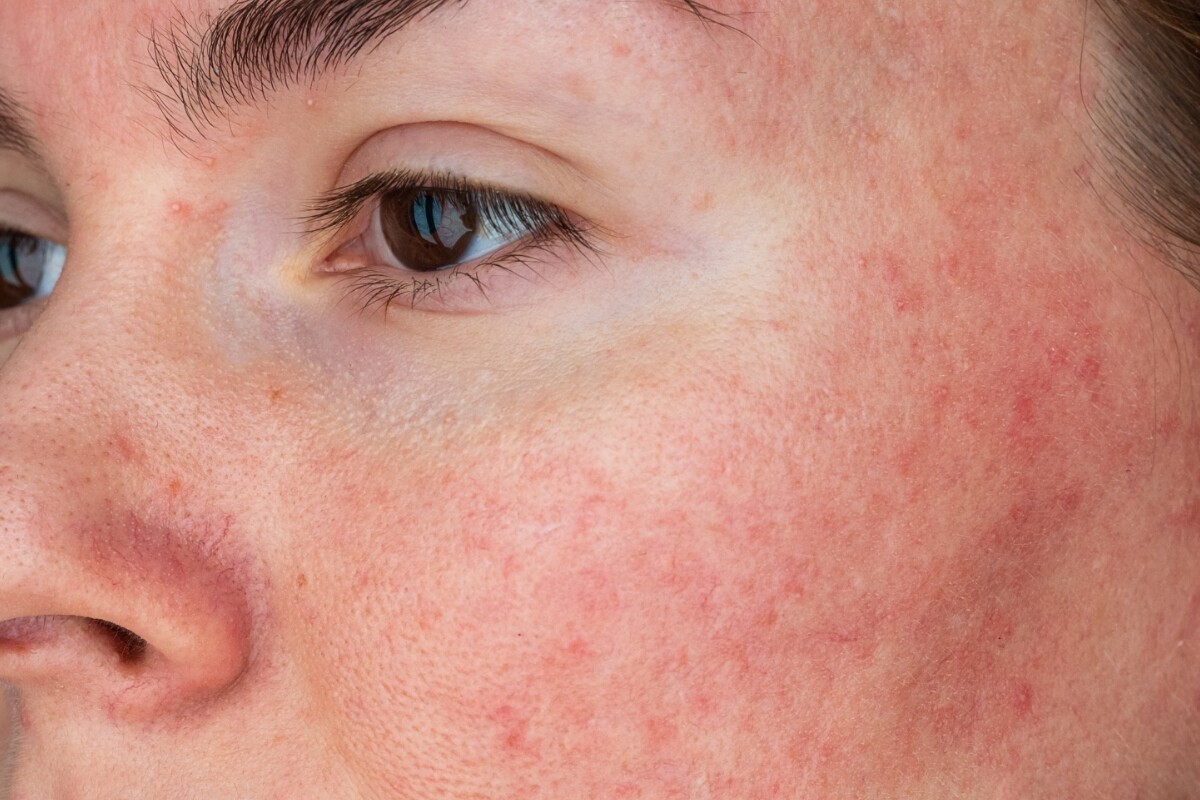
When you first start using it, tretinoin can cause mild irritation, flaky skin or breakouts in some people. Although it might be discouraging to see your skin worsen initially, most people find their skin starts to settle within 4–6 weeks. (1)
What Is ‘Tretinoin Purging’?
Some people may experience what is known as retinisation or ‘skin purging’. Purging is temporary and simply your skin’s way of adjusting. Tretinoin purging can show up in different ways. You might notice an increase in breakouts, along with dryness, flaking, and sensitivity.
The Science Behind How Tretinoin Works
For the uninitiated, retinoids are a group of ingredients (including tretinoin, retinol, retinal and adapalene) derived from Vitamin A. They help the skin speed up cell turnover, which stimulates collagen production for smoother, firmer skin.
When applied to the skin, retinoids convert into retinoic acid, the active ingredient that speeds up cell renewal. (2) While some retinoids, like retinol and retinal, need to be converted into retinoic acid before they can work, tretinoin (and adapalene) are already active forms. The latter are more potent, which is why they need a prescription.
Zooming In: Why Tretinoin Purging Happens
We mentioned earlier that retinoids help your skin cells ‘turn over’ faster. While your skin naturally sheds on its own, tretinoin speeds this process up, revealing healthier new skin faster. This exfoliation process helps bring dead skin cells and trapped oils to the surface of the skin, so they can be shed naturally (3).
Are Skin Type and Tretinoin Purging Connected?
Yes, skin type can play a part in whether side effects or ‘purging’ happens to you. When applied correctly, some people won’t notice any difference, while others might notice dryness, sensitivity, or breakouts as their skin adjusts. The stronger your retinoid is, the more likely your skin is to react. The stronger your retinoid is, the more likely your skin is to react. It’s why tretinoin should always be prescribed under the supervision of qualified dermatology professionals, like our team here at Dermatica.
If you have sensitive skin, or are treating acne, you may be prescribed adapalene instead of tretinoin. Studies have shown that adapalene carries a lower risk of irritation while remaining highly effective for acne. You can learn more about the differences between these two retinoids here.
Supporting Your Skin During And After A Tretinoin Purge
If you do notice breakouts or irritation while using tretinoin, try these dermatology-backed tips to support your skin barrier.
Take a day off treatment
If your skin feels too tight or uncomfortable after applying tretinoin, try reducing how often you use it. Start applying it 1–2 times a week, then build up from there.
Try skincare sandwiching
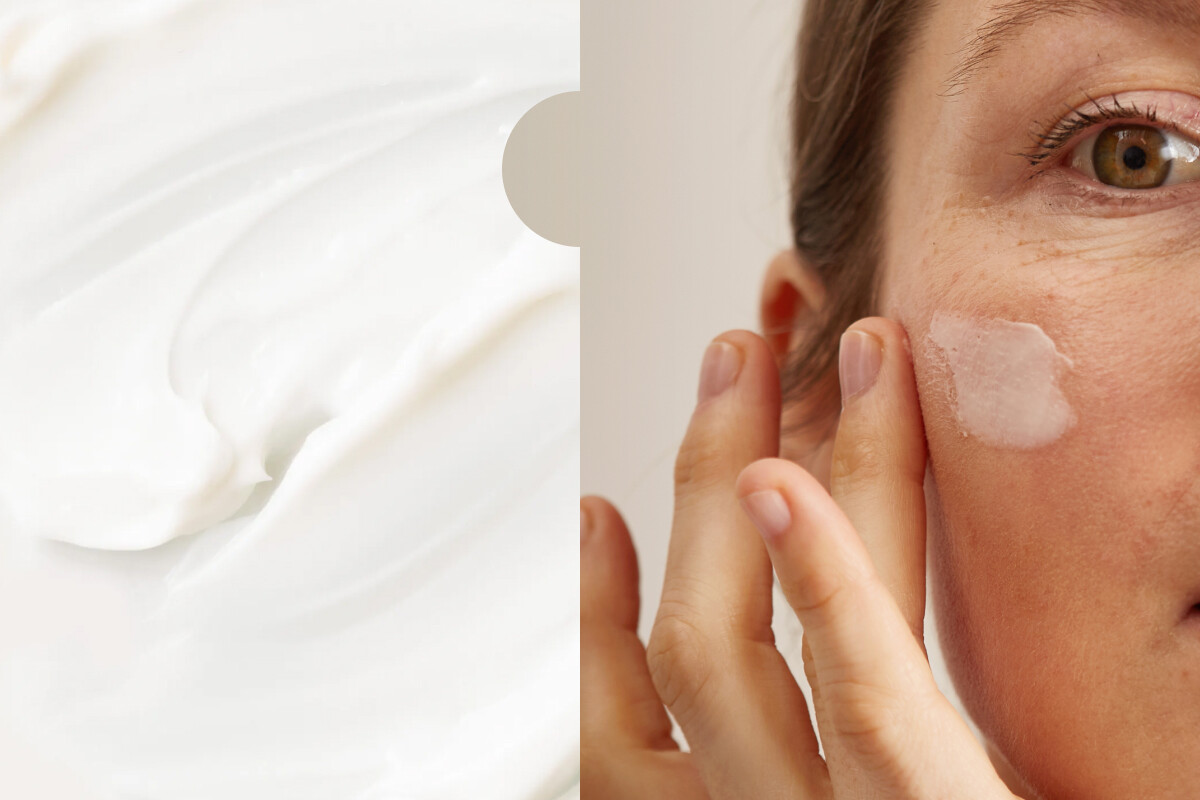
Simply put, this means applying a hydrating product (like a nourishing moisturiser) before and after tretinoin to create a buffer. Your treatment will still work effectively, and will help protect the skin barrier and soften dry or flaky skin.
Press pause on exfoliation
The job of exfoliators and scrubs is to remove dead skin cells, which is exactly what tretinoin does. To avoid irritation, steer clear of other facial exfoliants during treatment and let your retinoid take care of it.
Always wear sunscreen
Make sure to protect your healthy new skin from photodamage by wearing a broad spectrum (UVA and UVB protection) sunscreen with SPF 50+ every day, even when it’s cloudy. Our SPF 50 Photodamage Defence Sunscreen has been developed with dermatologists to use alongside prescription actives like tretinoin. (2)
Ask your experts
If you’re a Dermatica subscriber and have any questions about tretinoin purging, you can get in touch with our dermatology experts straight from your dashboard any time.
How To Maintain Your Results From Tretinoin
You’ll get the best results from retinoids when you make them part of your skincare routine, long-term. While many see tretinoin results within weeks, it can take some people around four months to see visible improvements in their skin.
If you’re a Dermatica subscriber, our experts will review your progress after twelve weeks, and decide whether to continue your current treatment or adjust your formula.
If you’re new here, find out which formulas are suitable for your skin on our website today.
1. Publishing HH. Do retinoids really reduce wrinkles? [Internet]. Harvard Health. 2022. Available from: https://www.health.harvard.edu/staying-healthy/do-retinoids-really-reduce-wrinkles
2. Kong R, Cui Y, Fisher GJ, Wang X, Chen Y, Schneider LM, et al. A comparative study of the effects of retinol and retinoic acid on histological, molecular, and clinical properties of human skin. Journal of Cosmetic Dermatology [Internet]. 2015 Nov 18;15(1):49–57. Available from: https://onlinelibrary.wiley.com/doi/full/10.1111/jocd.12193
3. Mukherjee S, Date A, Patravale V, Korting HC, Roeder A, Weindl G. Retinoids in the treatment of skin aging: an overview of clinical efficacy and safety. Clinical Interventions in Aging. 2006 Dec;1(4):327–48.


Related Posts