
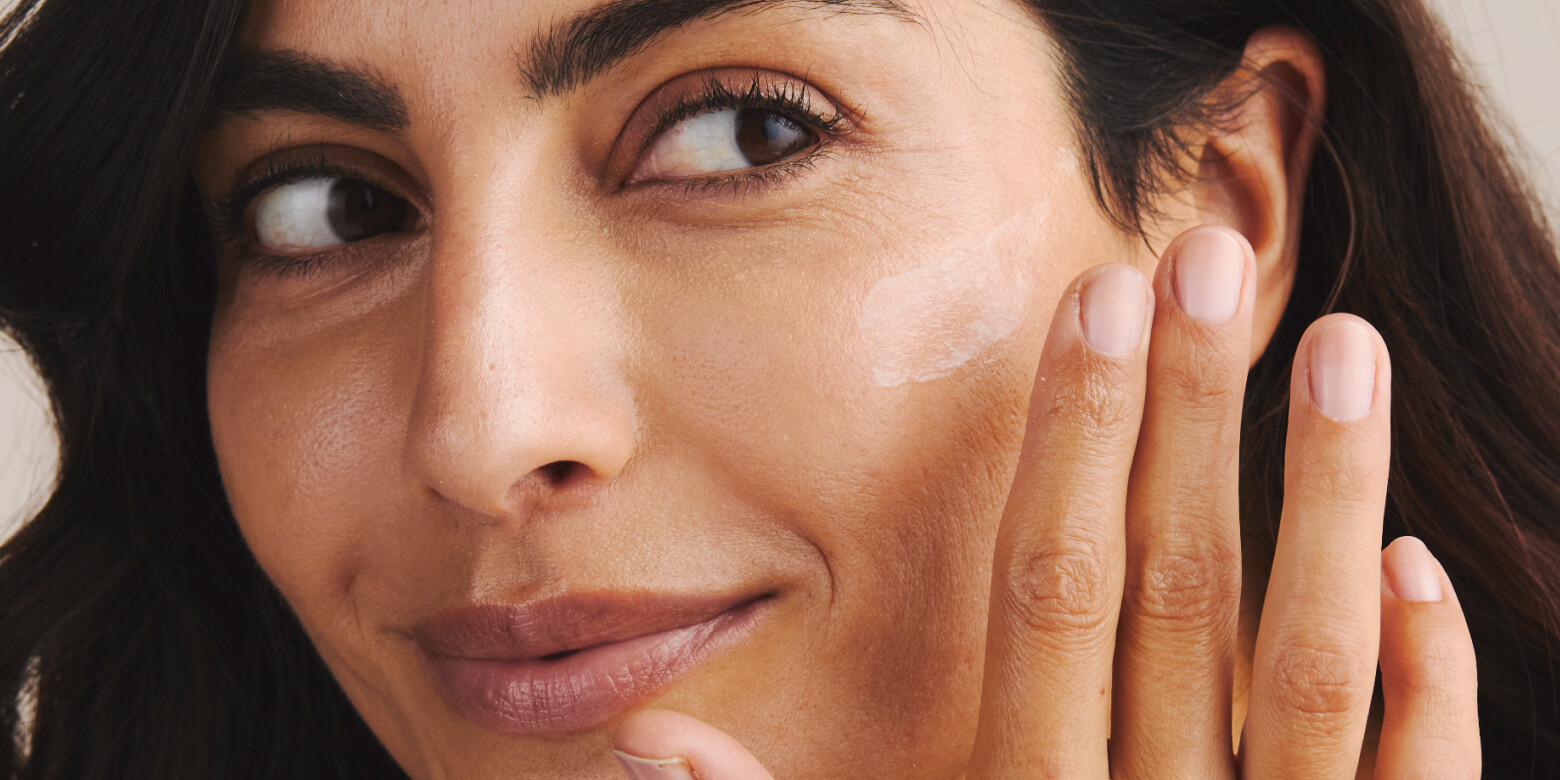
What Is The Retinol Sandwich Method?
If you’ve just started using retinol or retinoids and are experiencing dryness, retinisation or breakouts, you’ve come to the right place. We’re going to break down what the ‘retinol sandwich method’ is and how it might help your skin adjust to regular retinoids like tretinoin, adapalene or tazarotene.
Unless you have very sensitive skin, you probably won’t need the sandwich method for over-the-counter retinol, but it may still be helpful to know this method, in case you decide to use prescription retinoids in the future.
What Are Retinoids?
Topical retinoids like retinol and retinaldehyde are Vitamin A derivatives that do not need to be prescribed. However there are also prescription topical retinoids that are also derived from Vitamin A, but are typically stronger and work more quickly. These include tretinoin, adapalene, tazarotene, trifarotene and alitretinoin.
Tretinoin is a first generation retinoid, and considered the gold standard for anti-ageing. It has decades of research and studies that prove its transformative benefits for acne, hyperpigmentation, and its ability to reduce the look of fine lines. It can also boost collagen, increase skin cell turnover, smooth uneven skin texture, unclog pores and help tackle stubborn conditions like melasma. Adapalene has also been shown to have similar effects. [1]
Why Someone Might Be Hesitant To Try Retinoids
Most skin types will benefit from topical retinoids, even if you have sensitive skin.
Some people (but not everyone) will experience potential side effects when they first start using retinoids like tretinoin or adapalene. These side effects are sometimes known as ‘purging’ and are normal. In fact, it’s a sign that your skin is adapting to faster cell turnover. At around Week 2, you may notice dry or flaky skin, breakouts, and/or redness or inflammation known as retinisation. Although these side effects are temporary, and rarely last longer than 1-2 weeks, it can put a lot of people off using them.
However, to get the benefits of retinoids, consistent long-term use is essential. Retinoids need to be applied three times a week as a minimum, but ideally nightly. With regular use, visible results are often seen after around 8 weeks. To see the best results, it can take months or even years to boost collagen synthesis, smooth signs of ageing and effectively slow photoageing down. [2]
Traditional Application Method Vs. The Retinol Sandwich Method
There are two ways to apply topical retinoids, the traditional way, and a method that’s often referred to as ‘the sandwich method.’ If you have combination or oily skin, the traditional way may be fine for you. If you have dry, reactive or sensitive skin, you may want to try the sandwich method.
Traditional Method
– Make sure your skin is clean and completely dry. Damp or wet skin can increase product absorption, which isn’t what you want if you’re trying to prevent side effects.
– Dot your topical retinoid treatment evenly across your face, avoiding the orbital bone and around your nostrils and mouth.
– Ideally wait 2-3 minutes for the product to absorb before following with a moisturiser.
Retinol Sandwich Method
– On cleansed, damp (but not wet) skin, apply a lightweight moisturiser that doesn’t have occlusive ingredients like lipids, mineral oil or petrolatum, like our Soothing Centella Gel Moisturiser. This layer of moisturiser acts as a buffer on your skin to help reduce retinoid penetration and irritation.
– Wait for the moisturiser to absorb before dotting the retinoid treatment evenly across your face and gently rubbing it in. Avoid delicate areas around the orbital bone, nostrils and mouth.
– Ideally wait at least 2-3 minutes before adding a layer of richer moisturiser, such as Nourishing Ceramide + Peptide Moisturiser. [3]
Expert tip: Before using your retinoid, apply a thin layer Restoring Ceramide Skin Balm to delicate areas of the face, such as the eyes, nose creases and sides of the mouth. This prevents retinoids from migrating to these areas and worsening side effects.
Does The Sandwich Method Reduce Efficacy?
Most likely, no. There are no studies on whether the sandwich method reduces how effective retinoids are, however there is anecdotal evidence showing patients who use it still gain benefits from their treatment.The retinol sandwich method can be helpful to manage unwanted reactions at the start by keeping the skin barrier conditioned and functioning well. You won’t need to keep doing it once your skin gets used to the treatment. [3]
Other Triggers For Side Effects
If your side effects are bothering you, or getting worse, there are other factors that could be at play.
Starting Too Strong
When you’re just starting out, or you haven’t used retinoids for a while, your prescriber should start you at a low percentage. This helps you ease into using retinoids, so your skin can get the maximum benefit. If your treatment is too strong too soon, you increase the likelihood of experiencing adverse reactions.
Here at Dermatica, our dermatology experts will always start your personalised formula at a low concentration. We then monitor your progress to make sure your formula is working for you, and we’ll only increase the concentration once your skin tolerates the ingredients well.
Using Too Much
If your licensed provider prescribes a retinoid cream, they should tell you how much to use, and this should be followed strictly. At Dermatica, our formulas are blended with our SmartBase, a unique blend of nourishing ingredients that keep your skin hydrated and protected. We recommend 1-2 pumps of this, depending on the size of your face. However, if you’re not using a Dermatica product, make sure you follow the exact instructions your dermatology expert recommends for your skin. [4]
Applying Too Many Actives
Actives, when used properly, are exciting as they work quickly, and you can often see a visible transformation in your skin. However, when you’re starting a retinoid treatment for the first time, we usually recommend removing all other active ingredients from your routine and keeping your skincare simple.
All your skin needs is a gentle cleanser, moisturiser and sunscreen for photoprotection. Your treatment already increases cell turnover, so you don’t need exfoliating products with ingredients like alpha-hydroxy acids (AHAs) or beta-hydroxy acids (BHAs). These can cause over-exfoliation, leading to irritation and potentially damaging your skin barrier.
Only use skincare products that are designed to use alongside your retinoid treatment, and formulated to maximise results, like the daily essentials range from Dermatica.
Find out which treatment is right for you on the Dermatica website.
References
1. Zasada M, Budzisz E. Retinoids: active molecules influencing skin structure formation in cosmetic and dermatological treatments. Advances in Dermatology and Allergology [Internet]. 2019;36(4):392–7. Available from: https://www.ncbi.nlm.nih.gov/pmc/articles/PMC6791161/
2. Mukherjee S, Date A, Patravale V, Korting HC, Roeder A, Weindl G. Retinoids in the treatment of skin aging: an overview of clinical efficacy and safety. Clinical interventions in aging [Internet]. 2006;1(4):327–48. Available from: https://www.ncbi.nlm.nih.gov/pmc/articles/PMC2699641/
3. Draelos ZD, Ertel KD, Berge CA. Facilitating facial retinization through barrier improvement. Cutis [Internet]. 2006 Oct 1;78(4):275–81. Available from: https://pubmed.ncbi.nlm.nih.gov/17121065/
4. Milosheska D, Roškar R. Use of Retinoids in Topical Antiaging Treatments: A Focused Review of Clinical Evidence for Conventional and Nanoformulations. Advances in Therapy. 2022 Oct 11;39(12):5351–75.

Caroline Ferry
Caroline Ferry is a freelance journalist and copywriter, who has written for Grazia Magazine, Harper's Bazaar, Tatler and Elle and consults for many skincare, fragrance and fashion brands.

Related Posts

December 18, 2025
0 Comments10 Minutes