
Tranexamic Acid Serum Guide: Benefits, Usage & Results
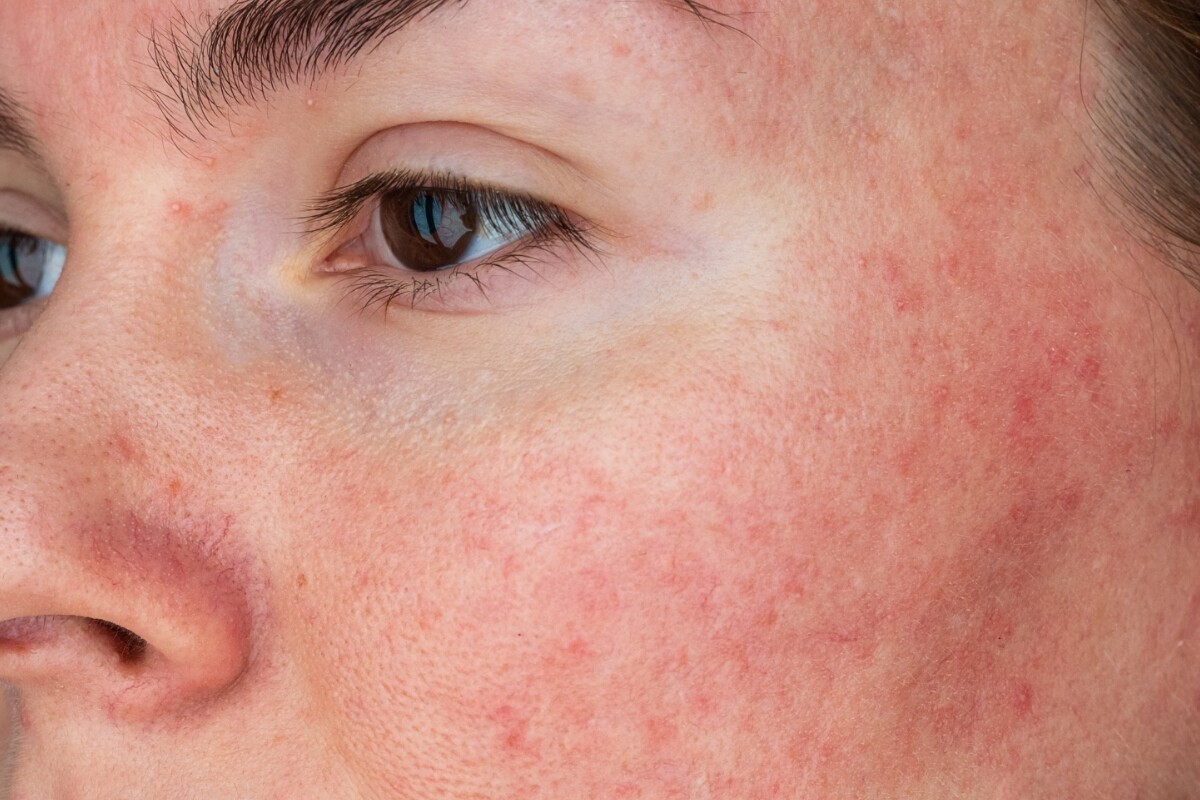
Finding effective skincare for stubborn dark spots, melasma, or uneven skin tone is possible without invasive procedures, but we understand how it can often be a long and frustrating journey. Particularly during summer, these hyperpigmented patches (although usually harmless) can reappear or darken. To manage them, you may want to consider adding a dark spot serum or personalised formula with tranexamic acid into your skincare routine.
Read on to understand how a tranexamic acid serum works, how it helps treat pigmentation conditions like melasma, and how to add it to your routine for visible results.
What Is Tranexamic Acid?
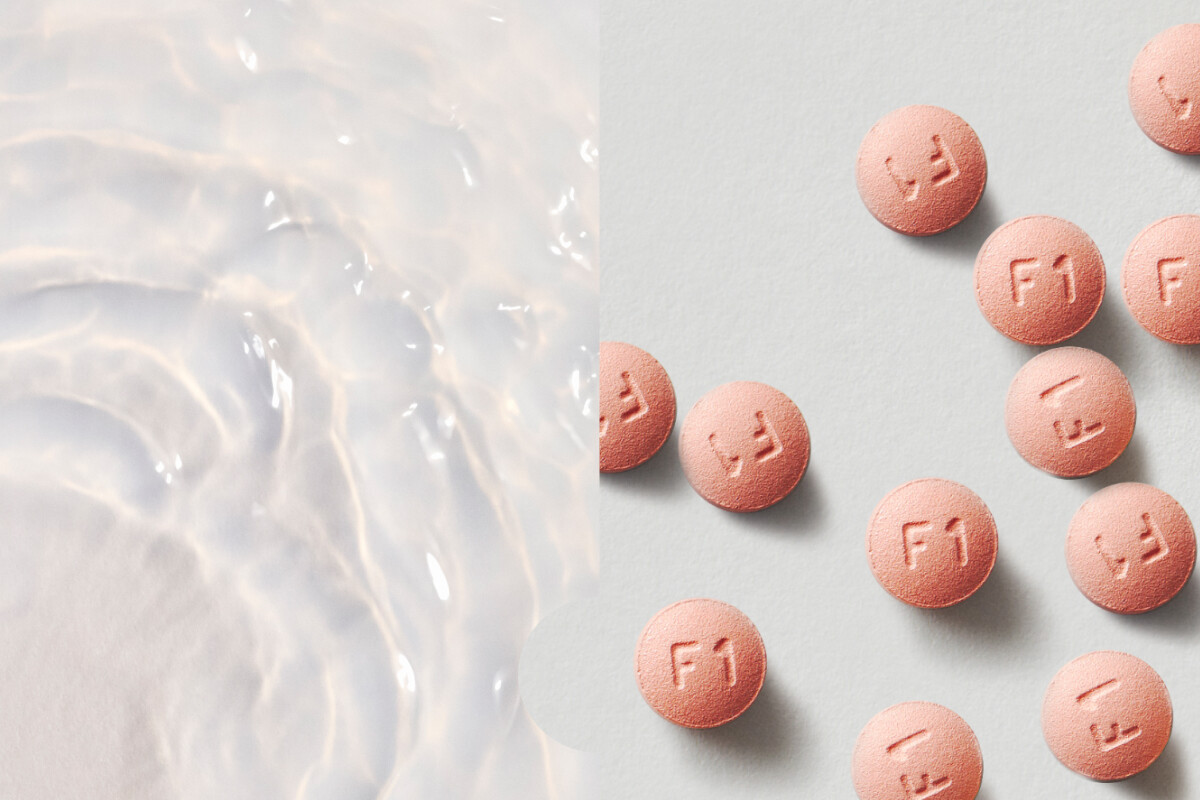
Tranexamic acid (often referred to as TXA for short) is derived from the amino acid lysine, and was traditionally used orally to manage heavy menstrual bleeding, or in surgery and dental procedures to stop excess bleeding. (1) Topical (applied to the skin) TXA has also shown significant promise in the treatment of hyperpigmentations like melasma. (2) It improves skin brightness and is suitable for almost all skin types including sensitive skin.
Benefits Of Tranexamic Acid Serum
Reduces Hyperpigmentation And Dark Spots
By inhibiting the production of melanin (which is the pigment responsible for dark spots) it can help even out the skin tone.
Helps Lighten The Appearance Of Melasma
Melasma can be triggered by UV exposure, hormonal changes and heat. Tranexamic acid can improve these uneven patches without risking side effects from long term use and is available over the counter, which is another reason why some people may choose it instead of hydroquinone. (3)
Minimises Redness And Inflammation
TXA isn’t just useful for inhibiting excess melanin in the skin, it also has anti-inflammatory properties. By helping to reduce redness in the skin, it suits sensitive and reactive skin types.
Enhances Overall Skin Tone And Texture
Regularly using a tranexamic acid serum will help improve dullness and promote brighter, clearer skin.
How Tranexamic Acid Works
It works by blocking an enzyme in your skin called plasmin. This enzyme is part of the inflammatory process that leads to excess melanin production. By inhibiting plasmin, tranexamic acid reduces how much excess melanin is formed in the skin, lightening existing dark spots and preventing new ones from forming. (4)
Who Should Use Tranexamic Acid Serum?
Here at Dermatica, our dermatology experts use tranexamic acid to treat hyperpigmentations like melasma or post inflammatory hyperpigmentation. It’s also a particularly helpful option if you need to take a break from hydroquinone, or you’re intolerant to hydroquinone.
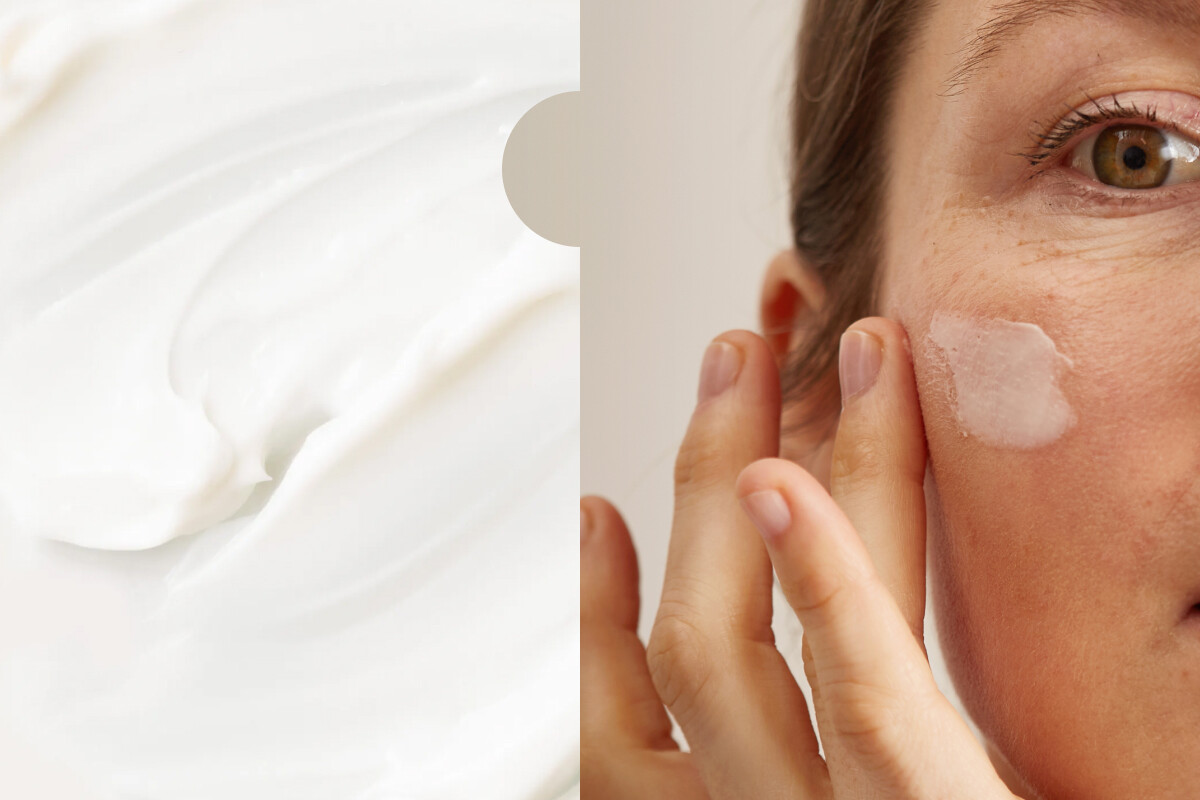
If your skin is sensitive, or cannot tolerate a stronger, personalised formula, you may prefer to tackle dark spots with an over the counter serum instead. Our Advanced Dark Spot Corrector Serum contains 3% tranexamic acid and targets dark patches, post-blemish marks and visible sun damage to help brighten and unify uneven skin tone. It is particularly kind to sensitive skin because one of its key active ingredients, glycolic acid, is encapsulated meaning it delivers to the skin gradually throughout the day. This is gentler on the skin than having it all reach the skin at once upon application.
Although side effects from both prescription and over-the- counter tranexamic acid formulas are rare, you may still experience them if your skin is particularly sensitive or reactive. If you think this may affect you, discover more about patch testing and potential adverse reactions here.
How To Use Tranexamic Acid On Your Skin
If you’re a Dermatica customer and have a personalised formula containing tranexamic acid, we recommend applying it once daily (in the evening). However, if you decide to use the over the counter Tranexamic acid and you are already using other active ingredients in your routine such as retinoids at night, use your tranexamic acid in the morning before moisturiser. This is so you don’t overload your skin during your nightly skincare routine.
Remember to always protect skin during the day with a broad spectrum sunscreen with at least SPF30+ to prevent hyperpigmentation from worsening or returning. Our SPF50 Photodamage Defence Sunscreen is designed with dermatologists and is compatible with active ingredients.
Compatibility With Other Skincare Products
As a general rule, try to avoid using too many active ingredients at the same time of day, or at once.
For example, you can try adding new active ingredients to your routine once your skin is stable and tolerating your TXA formula or products well. Use them gradually 2-3 times a week at a different time of day to your tranexamic acid formula. If you notice changes to your skin or experience side effects like irritation, redness, swelling or stinging, stop all actives, let your skin settle down and seek medical help for further advice.
How Long Does It Take To See Results?
Visible results will depend on your individual skin type and the condition you’re trying to treat. Most people using a personalised formula with tranexamic acid can expect to see a noticeable difference from 8-12 weeks, if they use their product consistently.
At Dermatica, we offer the widest range of active ingredients, and every treatment for hyperpigmentation including Tranexamic acid we recommend is backed by rigorous evidence and research.
Discover which products and formulas are suitable for your skin on our website.
References
1. Gaćina, K. (2023). The Use of Tranexamic Acid in Dermatology. Acta Clinica Croatica. doi: https://doi.org/10.20471/acc.2023.62.02.16
2. Ebrahimi B, Naeini FF. Topical tranexamic acid as a promising treatment for melasma. Journal of Research in Medical Sciences : The Official Journal of Isfahan University of Medical Sciences [Internet]. 2014 Aug 1;19(8):753–7. Available from: https://www.ncbi.nlm.nih.gov/pmc/articles/PMC4235096/
3. Basit H, Godse KV, Al Aboud AM. Melasma [Internet]. PubMed. Treasure Island (FL): StatPearls Publishing; 2023. Available from: https://www.ncbi.nlm.nih.gov/books/NBK459271/
4. Batra J, Brar B, Kumar S, Arora H. Tranexamic acid in melasma: Comparative evaluation of therapeutic efficacy of oral tranexamic acid versus its transepidermal administration. Journal of Cutaneous and Aesthetic Surgery. 2022;15(4):394.
Last Updated 19.02.2026

Caroline Ferry
Caroline Ferry is a freelance journalist and copywriter, who has written for Grazia Magazine, Harper's Bazaar, Tatler and Elle and consults for many skincare, fragrance and fashion brands.

Related Posts