The Right Dosage Of Topical Tranexamic Acid
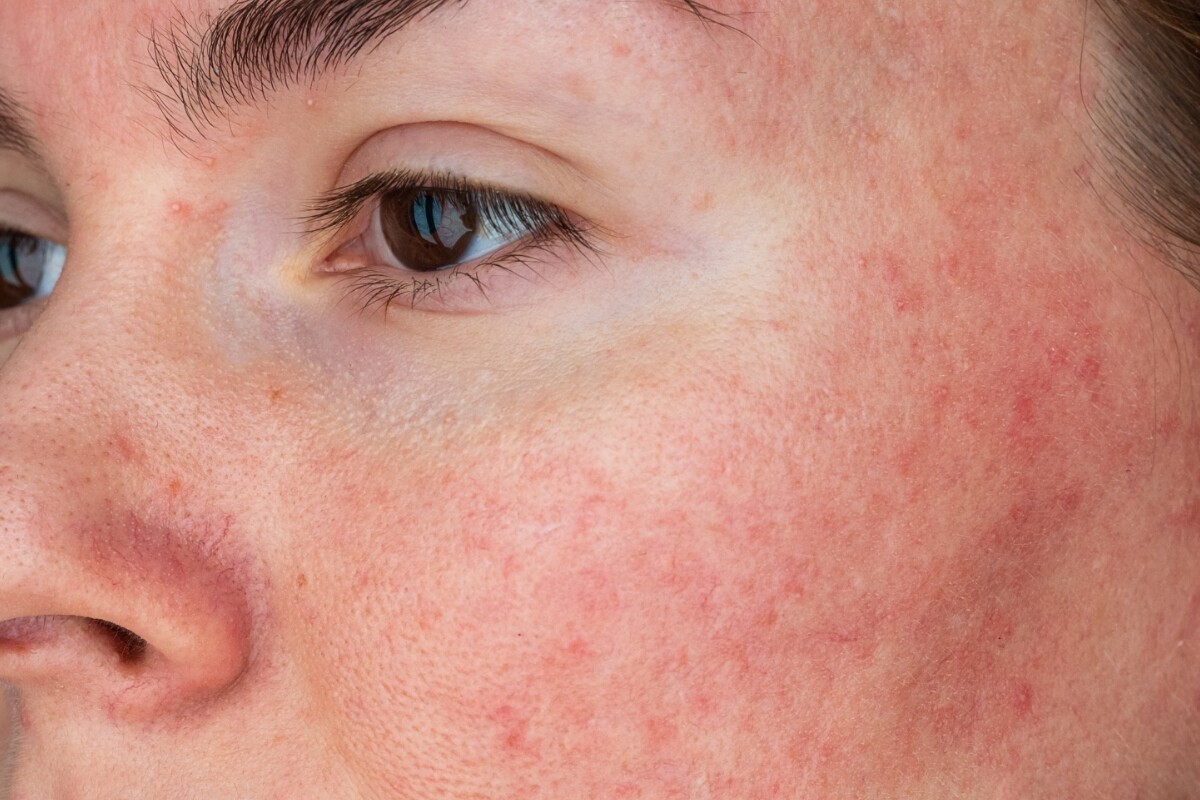
Conditions like melasma, age spots, dark spots, sun damage and post-acne marks are common. In fact, it’s one of the leading reasons why our patients come to Dermatica for support with their skin.
An effective, at-home skincare treatment for hyperpigmentation conditions like these is topical tranexamic acid (often referred to as TXA for short).
Tranexamic acid has an innate ability to effectively fade dark spots or patches while suiting a wide range of skin types, including sensitive and rosacea-prone skin. And unlike hydroquinone, a well-known hyperpigmentation treatment, you don’t need to take any breaks while using tranexamic acid.
However, like with any ingredient, it’s important to make sure you’re using the correct dosage to protect your skin barrier and reduce the risk of irritation.
In this blog, we’ll discuss which active ingredients are compatible with tranexamic acid, and how to know if your skin is tolerating it well.
What is Tranexamic Acid (TXA)?
Tranexamic acid is derived from an amino acid called lysine, and is traditionally used orally to reduce excessive bleeding during surgery, trauma and dental procedures. [1] It’s also prescribed to reduce heavy menstrual bleeding. [2]
Topical TXA works in skincare because it has anti-inflammatory properties, which are useful since many hyperpigmentation conditions and dermatological disorders are worsened by skin inflammation. It can suppress the bodily process which produces more melanin in the skin, reducing pigment production at its source. [1]
This makes TXA a beneficial treatment for multiple skin conditions, including:
– Melasma
– Post-inflammatory hyperpigmentation (PIH), including dark marks after acne or eczema
– Post‑acne erythema and post‑inflammatory erythema (red marks after acne)
– Sun spots, also known as age spots or dark spots
– Other facial hyperpigmentation
Benefits of Topical Tranexamic Acid
Topical tranexamic acid is suitable for all skin types, and is effective in the treatment of hyperpigmentation, melasma and dark spots left behind after acne breakouts (also known as post-inflammatory hyperpigmentation). [1] [3]
That’s because TXA reduces melanin production and inflammation.
By interfering with the skin’s own pigment production process, TXA helps to:
– Fade dark spots and patches
– Brighten and even overall skin tone
– Improve dullness for healthier-looking skin
– Reduce post-acne marks
– Calm redness and inflammation
What’s promising is that topical tranexamic acid appears to be as effective as topical hydroquinone, which is the current gold standard treatment for hyperpigmentation (and only available on prescription). And unlike hydroquinone, you don’t need to take breaks while using tranexamic acid. [5]
In a 2021 study, nearly 80% of subjects noticed an improvement in skin tone, a reduction in dark spots and an improvement in facial redness. [6]
Recommended Tranexamic Acid Dosage
In topical formulations (both prescribed and over the counter), you’ll find doses of between 2-5%. [5]
You’ll usually find 2% is common for general brightening and mild discolouration, while 3–5% is for more pigmentation and melasma. It’s usually formulated in serums, creams and toners.
Although tranexamic acid is compatible with most skin types, it’s important to only start using it once a day unless advised otherwise by a healthcare professional. And always follow with a broad spectrum SPF (30+) in the morning.
Tranexamic acid is one of many ingredients we may recommend in our treatment plans and personalised formulas for hyperpigmentation, and Dermatica subscribers can ask our team a question at any time via their dashboard.
How to Use Topical Tranexamic Acid
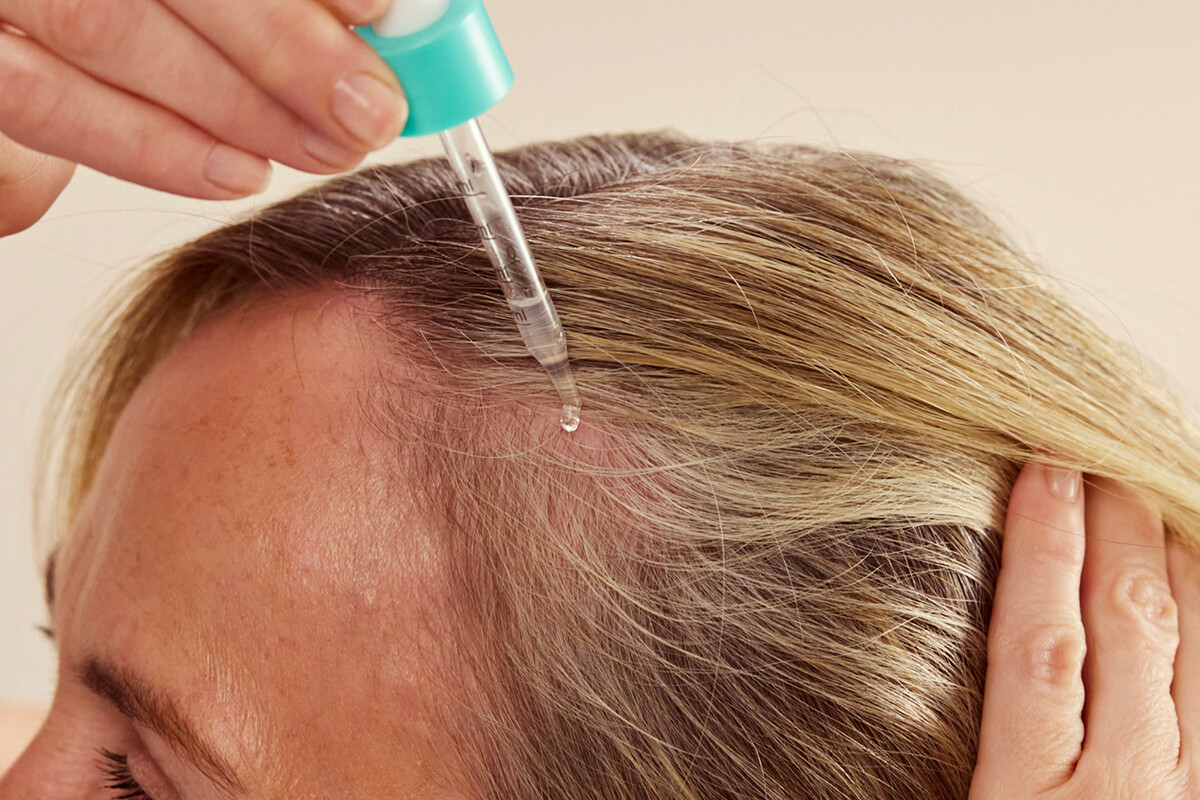
You should start using the product once daily. If you’re using other active ingredients in your routine such as retinoids or prescription ingredients, use your tranexamic acid product in the morning before moisturiser and/or sunscreen. This is so you don’t overload your skin during your nightly skincare routine.
If tranexamic acid is the only active ingredient in your routine it’s better to apply it once at night before moisturiser (rather than in the morning).
Using a skincare product with tranexamic acid correctly is vital, to avoid unwanted side effects, and achieve the best results.
What are the Side Effects, Risks and Disadvantages of Tranexamic Acid?
Unwanted side effects from tranexamic acid are rare but not unheard of. They include:
– Mild irritation
– Inflammation (redness, swelling, skin feels warm to the touch)
– Rash
If you have very sensitive, rosacea-prone, or reactive skin, we recommend performing a patch test before applying your tranexamic acid product over your face. You can do this by either applying a small amount to your wrist or the back of your neck to see if an adverse reaction occurs.
Unless hyperpigmentation is a skin concern of yours, you don’t need to add tranexamic acid to your skincare routine. Instead, use ingredients that are targeted to your skin concern(s).
Combining Tranexamic Acid with Other Skincare Ingredients
It’s possible to combine tranexamic acid with other active and skin-brightening ingredients like vitamin C, retinoids such as tretinoin or adapalene, and niacinamide. Using them together can also have a synergistic effect, meaning the benefits are greater than if you used any of these ingredients on their own. [7]
As mentioned above, if you have a history of sensitive or reactive skin, try to avoid introducing all these ingredients to your routine at once. Using more products than your skin can tolerate may overload your skin, potentially causing inflammation, damaging your skin barrier and making your condition worse.
To maximise results from your hyperpigmentation treatment plan, we recommend the following routine:
Morning:
– Cleanser: Caring Squalane Cream Cleanser if you have dry skin, or Balancing Glycerin Gel Cleanser if you have oily or combination skin.
– Vitamin C: Vitamin C 15%: Fresh Batch Ascorbic Acid
– Moisturiser: Nourishing Ceramide + Peptide Moisturiser if you have dry skin, or Soothing Centella Gel Moisturiser if you have oily or combination skin (both are compatible with active ingredients)
– Broad-spectrum sunscreen: SPF50 Photodamage Defence Sunscreen
Evening:
– Cleanse (double cleanse to remove all traces of makeup, impurities and sunscreen)
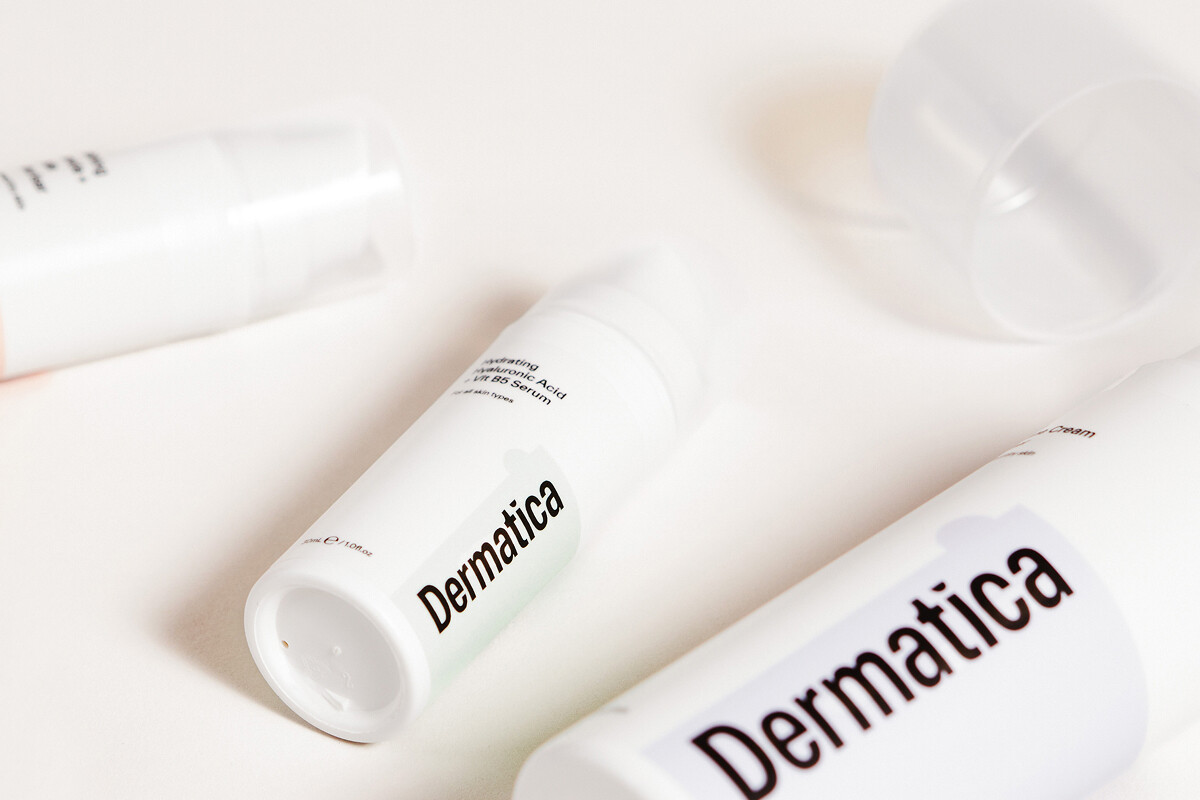
– Personalised formula for hyperpigmentation containing tranexamic acid, or a tranexamic acid serum
– Moisturise
Conclusion
Those with hyperpigmentation-related skin concerns should incorporate TXA into their routine, as fading dark marks and brightening an uneven tone is its primary use.
To reap the benefits of topical tranexamic acid, it is vital that you follow the recommended daily dosage to avoid irritation.
If you would like to receive personalised advice, a recommended treatment plan from leading dermatology experts, find out what formulas are suitable for your skin by visiting our website.
Last updated: 12th March 2026
References
Gaćina K. The Use of Tranexamic Acid in Dermatology. Acta Clinica Croatica. 2023 Jan 1;
Hurskainen R, Leminen H. Tranexamic acid for the treatment of heavy menstrual bleeding: efficacy and safety. International Journal of Women’s Health [Internet]. 2012 Aug;413. Available from: https://www.ncbi.nlm.nih.gov/pmc/articles/PMC3430088/
Manasa Shettisara Janney, Radhakrishnan S, Rajeshwari Dabas, Lal S, Das NM, Godara SK. A Randomized Controlled Study Comparing the Efficacy of Topical 5% Tranexamic Acid Solution versus 3% Hydroquinone Cream in Melasma. PubMed. 2019 May 7;12(1):63–7.
Nakanishi S, Kumamoto J, Denda M. Tranexamic acid blocks the thrombin-mediated delay of epidermal permeability barrier recovery induced by the cedar pollen allergen, Cry j1. Scientific Reports [Internet]. 2018 Oct 23 [cited 2026 Feb 11];8(1). Available from: https://www.nature.com/articles/s41598-018-33898-7
Wang JV, Jhawar N, Saedi N. Tranexamic Acid for Melasma: Evaluating the Various Formulations. The Journal of Clinical and Aesthetic Dermatology [Internet]. 2019 Aug 1;12(8):E73–4. Available from: https://www.ncbi.nlm.nih.gov/pmc/articles/PMC6715124/
da Silva Souza ID, Lampe L, Winn D. New topical tranexamic acid derivative for the improvement of hyperpigmentation and inflammation in the sun-damaged skin. Journal of Cosmetic Dermatology [Internet]. 2021 Feb 1;20(2):561–5. Available from: https://pubmed.ncbi.nlm.nih.gov/32588531/
Kaikati J, El Bcherawi N, Khater JA, Dib SM, Kechichian E, Helou J. Combination Topical Tranexamic Acid and Vitamin C for the Treatment of Refractory Melasma. The Journal of clinical and aesthetic dermatology [Internet]. 2023;16(7):63–5. Available from: https://www.ncbi.nlm.nih.gov/pmc/articles/PMC10409511/


Related Posts