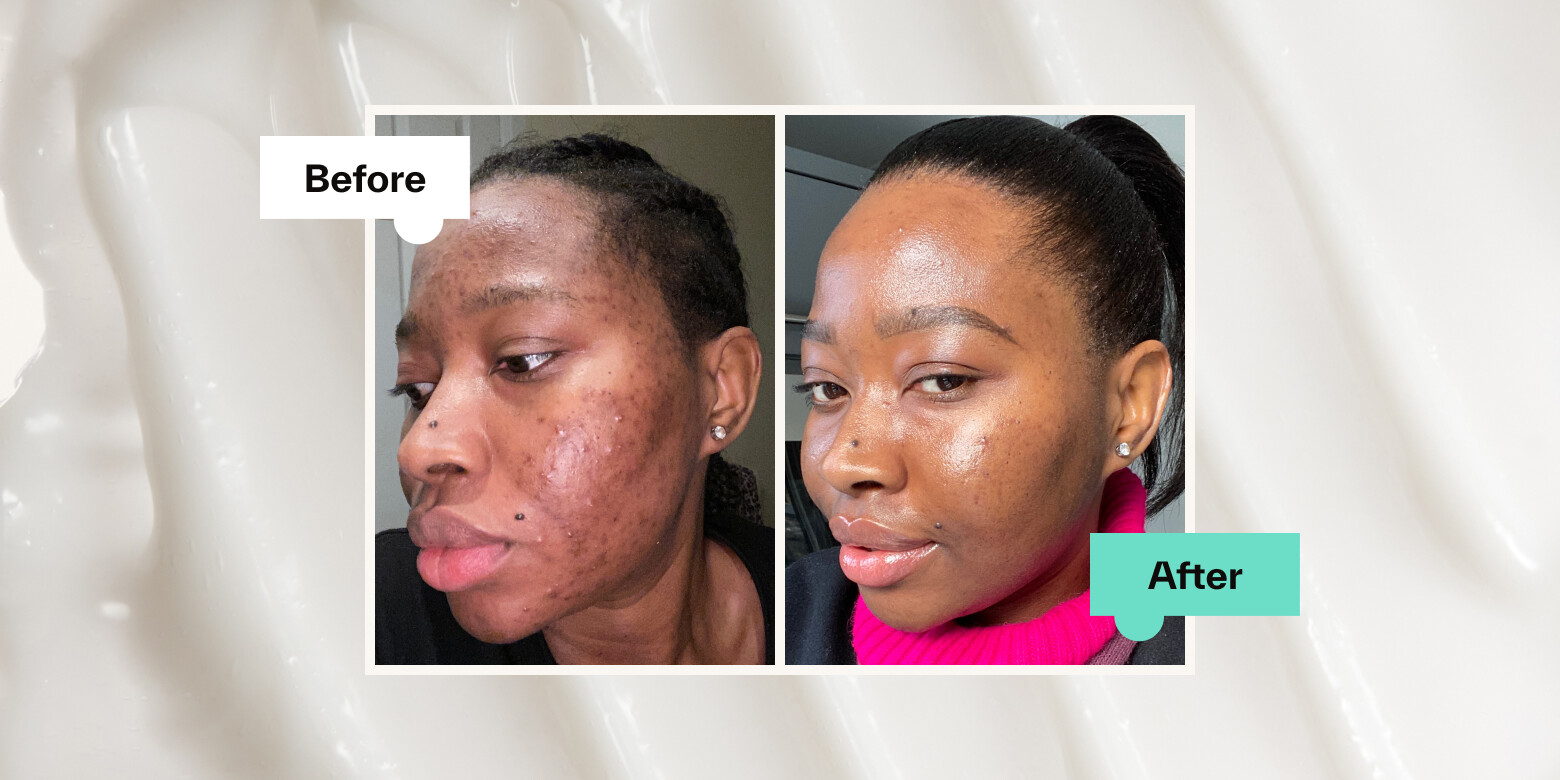
Adapalene Before & After: How It Works, Benefits & Results
Breakouts affect around 65% of us, though some of us will experience them more often and more severely than others, and it is normal to feel your confidence take a knock when you’re experiencing an acne flare-up. If you’re already following a simple oil-free skincare routine, but find that your acne symptoms won’t ease, just know there are effective options available. (1) Adapalene is a topical retinoid that’s known as a gold standard treatment for acne. Many acne patients have seen noticeable improvements in their skin after starting a personalised treatment plan with prescription-strength adapalene as the key ingredient.
What Is Acne?
Acne is a common skin condition that develops when a pore becomes blocked with dead excess skin cells and sebum (oil). This can allow bacteria to build up inside the pore, leading to inflammation and visible breakouts. Severity of acne can range between mild with outbreaks of comedones (whiteheads and blackheads), moderate with papules (red lumps)and pustules (pus-filled spots), to severe with cysts or nodules. It’s common in adolescents, but the symptoms can also return, persist or occur in adulthood.
Because acne causes an inflammatory reaction in the skin, it can cause post-inflammatory hyperpigmentation. This is characterised by dark spots left behind from the original acne lesion. In some cases, acne can also leave permanent scars such as icepick, rolling or box scars. (2)
How Adapalene Works For Acne
Adapalene has decades of research and evidence behind its multitude of benefits. It’s been prescribed to over 40 million people over the past 20 years. (3) Therefore, Adapalene is often recommended by dermatologists as a first-line treatment for acne. It increases cell turnover (the process of producing healthy new cells and shedding the dead, damaged ones), unclogs pores and prevents comedones from forming. It also helps lower the levels of acne-causing bacteria on the skin, calms inflammation, smooths the complexion and fades the appearance of acne scars.
More Benefits Of Adapalene
1. Adapalene is more UV-stable than other prescription retinoids, meaning it’s less likely to break down when exposed to sunlight.
2. Adapalene can help improve signs of photoageing. By increasing cell turnover and supporting collagen production, it can help smooth the appearance of fine lines and improve overall skin texture.
3. It can be used as a long-term, maintenance treatment for acne.
Is Adapalene Suitable For Sensitive Skin?
Yes. Since patients with acne can also have highly sensitive or reactive skin, adapalene is often a dermatology expert’s first choice for acne treatment. Various studies suggest that adapalene is the best prescription-strength retinoid for sensitive skin because it causes fewer side effects. Plus, one of its key benefits is that it has an anti-inflammatory effect on active breakouts and painful pustules. (4)
Managing Acne Symptoms During Adapalene Treatment
Using the wrong skincare or textures that are too heavy for your skin type can trigger a spot outbreak. Take a look at any new products you may have added to your routine, such as makeup, haircare or skincare. They may house comedogenic (pore-clogging) ingredients. Products containing coconut oil, olive oil, mineral oil, jojoba oil, petrolatum and silicones should be avoided.
Granular or sandy exfoliants should also be stripped from your routine completely. Physical scrubs can aggravate and damage your skin barrier, as well as spread acne-causing bacteria, all of which can worsen breakouts. Topical retinoids are a more effective alternative to these, as they target acne symptoms at the source.
Diet and stress may also affect how often you break out. If your skin goal is clearing acne, some studies show that having sugary products, high glycemic foods, whey protein and milk may be making your acne worse but more evidence is needed on this. (5)
Before Starting Adapalene Treatment
Before you start using adapalene, we highly recommend checking in with a dermatology professional to make sure you’re using the correct dosage for your skin type and condition. This will help minimise side effects.
Adapalene Treatment Duration and Expectations
Although adapalene is typically less irritating than other prescription retinoids, it’s not unusual to notice some mild side effects when you first start using it.
When Does Purging Start?
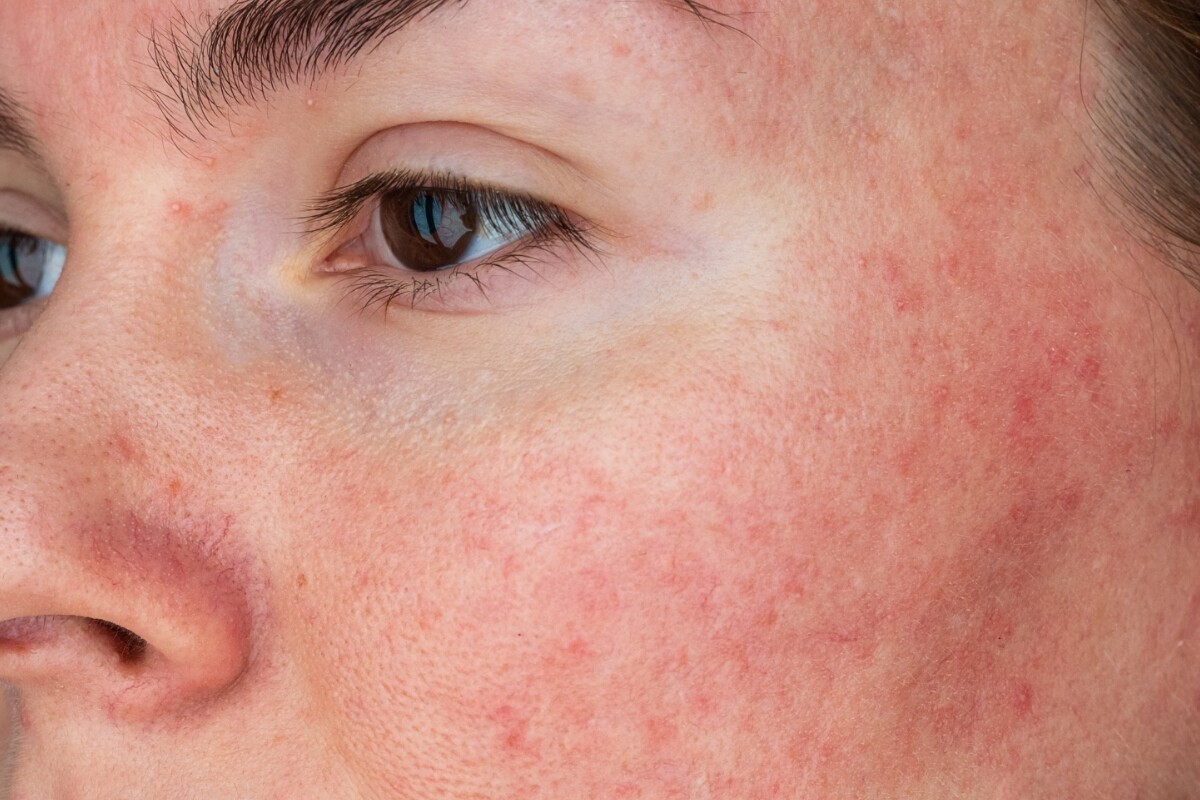
Purging is normal when you’re just starting to use topical retinoids like adapalene, when you’re switching from one active ingredient to another, or when you’re increasing the strength. It means that the active ingredients are starting to work. You may see redness, irritation or temporary worsening of acne as your skin adapts to your new topical retinoid. It’s important to know that not everyone experiences purging when they first start using treatment, but that doesn’t mean that the active ingredients aren’t working.
Purging can last between two to eight weeks but you should notice improvement from around six weeks onwards. You can read more about retinoid purging here.
Managing Side Effects During Treatment Of Acne
Common side effects you might experience when you first start adapalene include mild dryness, redness, peeling and irritation. Here are our expert tips to manage these side effects.
– Start slowly. If you’re worried about side effects, apply your adapalene treatment every other night. You can gradually increase how often you apply it as your skin gets used to the medication.
– Moisturise. Use a fragrance-free moisturiser that is specifically formulated to use alongside active ingredients. If needed, you can apply it before and after your adapalene treatment to decrease the risk of irritation to your skin barrier.
– Use a gentle cleanser. Skin products like a mild, non-foaming cleanser that’s alcohol and fragrance-free.
How To Know If You’re Allergic To Adapalene
Allergies to adapalene are very rare, but not unheard of, and they’re typically more severe. Here are the key signs and symptoms to watch out for that you need to stop using the product and seek medical attention immediately:
– Severe skin reactions. Hives, swelling, burning sensation, itching, severe redness, peeling or blistering.
– Respiratory symptoms. In rare cases, adapalene can cause shortness of breath, wheezing and throat tightness.
– Fever, dizziness or fainting. If you have unexplained fever or chills, or you feel lightheaded or like you’re about to pass out, you may be having an extreme allergic reaction called anaphylaxis.
After: What To Expect From Your Acne Treatment
How Long Does It Take To See Results?
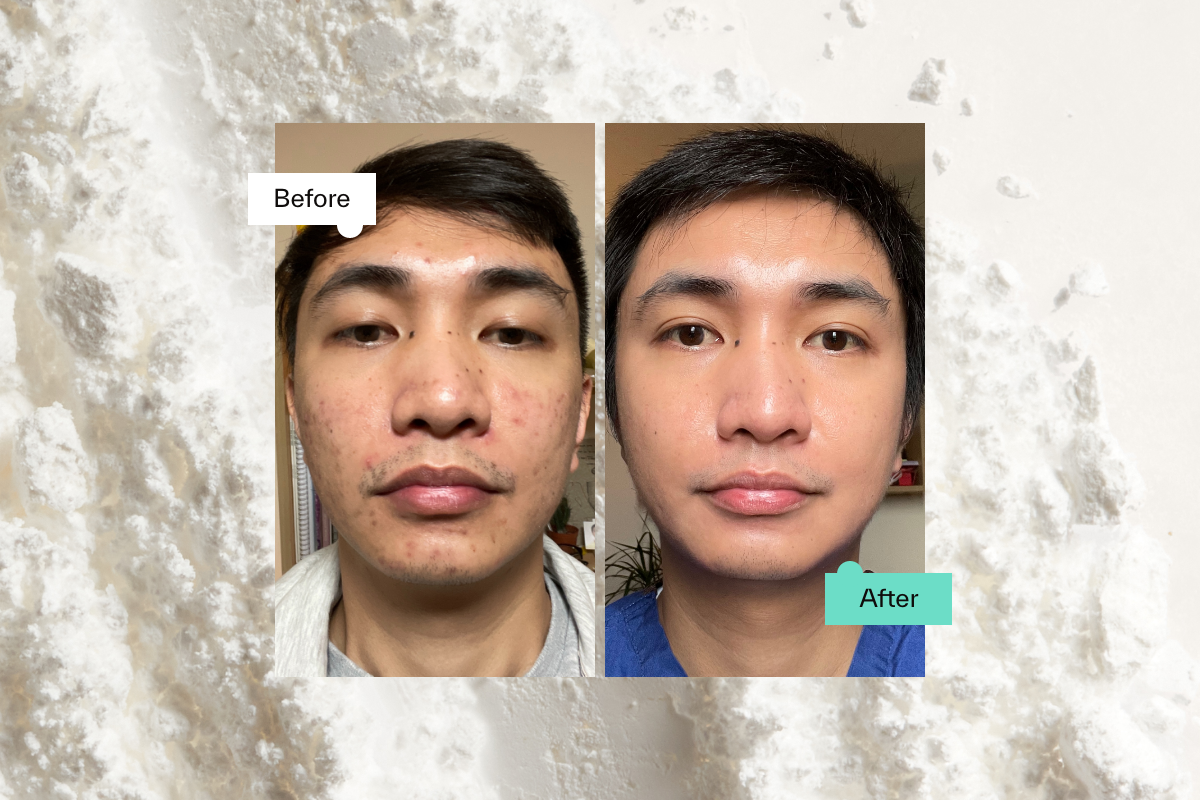
Although some may start to see improvements in their skin after 6-8 weeks of treatment, most people see results from adapalene treatment after 8-12 weeks. This will depend on how consistently you use your treatment and how your individual skin responds to the active ingredient.
By week 12 you should see a significant reduction in your acne. We always recommend that you continue to use your treatment every day, even after your acne has resolved, to further improve your skin tone, texture, keep pores clear and prevent breakouts.
Tips For Enhancing The Effects Of Adapalene
Building A Skincare Routine Around Adapalene
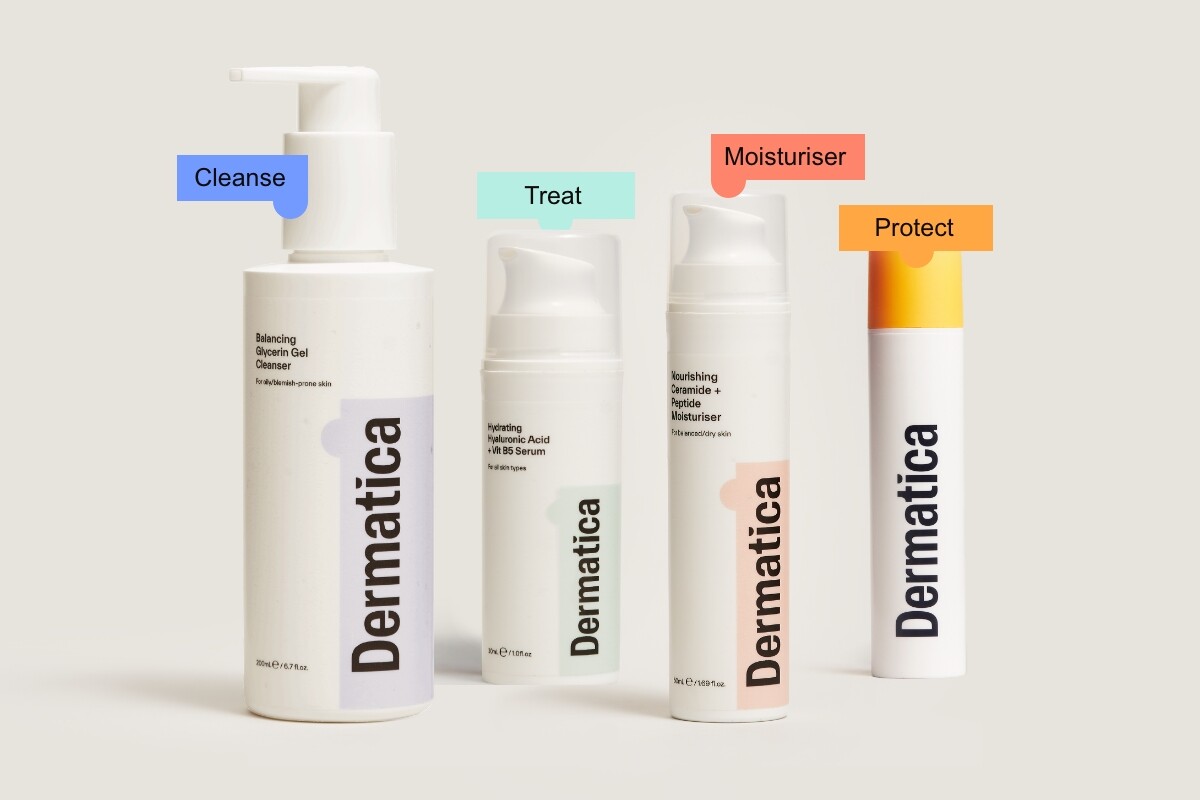
When you are using acne treatment, it is important to choose skin products that are gentle and formulated according to the NICE guidelines for sensitive skin. You want products that are non-comedogenic, oil-free and fragrance-free to prevent your pores from clogging. As you start your treatment, you may wish to use gel-based cleansers and moisturisers, which are best suited to oily skin. As you progress through your treatment, your skin may become more dry than oily, in which case you may adapt your routine to include creams to soothe irritation and combat flakiness.
Regardless of your skin type or its temporary state, it is essential to use adequate sun protection throughout your treatment. While using active ingredients like adapalene, we recommend SPF50 Photodamage Defence Sunscreen to shield your skin from harmful UV rays. Sunscreen also helps prevent inflammation as well as post-inflammatory hyperpigmentation. Always apply broad-spectrum sunscreen in the morning before going outside.
Pairing Adapalene with Other Acne Ingredients
Many ingredients can treat acne, but you may want to be careful about which ingredients you can mix with adapalene. Overloading your face with too many products can lead to skin irritation. When you’re first starting adapalene treatment, you may want to consult a dermatology expert before combining it with:
– Vitamin C
– Benzoyl Peroxide
– Alpha hydroxy acids (AHAs) like glycolic acid and lactic acid
– Beta hydroxy acid (BHAs) like salicylic acid
– Azelaic acid
Once your skin gets used to adapalene and you’re no longer experiencing side effects, you can slowly add these ingredients into your routine (one by one, not all at once). If you can, ask your dermatologist or dermatology expert whether it’s suitable to do so at that stage in your journey.
How To Try Adapalene
At Dermatica, we offer personalised treatment plans and skincare formulas that combine multiple active ingredients, chosen and precisely measured to suit your skin needs. Your treatment plan is developed based on your skin assessments, and your progress is monitored by our team of dermatology experts. We also provide ongoing support, product recommendations and formula adjustments whenever you need it. Find out what formulas are suitable for your skin by visiting our website and completing a consulation.
Image Reference
Ofeoritse Okome, Dermatica Customer
Acne treatment, 4 months
Last updated February 2026
References
1. Tasoula E, Gregoriou S, Chalikias J, Lazarou D, Danopoulou I, Katsambas A, et al. The impact of acne vulgaris on quality of life and psychic health in young adolescents in Greece: results of a population survey. Anais Brasileiros de Dermatologia. 2012 Dec;87(6):862–9.
2. Kraft J, Freiman A. Management of acne. Canadian Medical Association Journal [Internet]. 2011 Feb 28;183(7):E430 Available from: https://www.ncbi.nlm.nih.gov/pmc/articles/PMC3080563/
3. Tolaymat L, Dearborn H, Zito PM. Adapalene [Internet]. PubMed. Treasure Island (FL): StatPearls Publishing; 2024 [cited 2024 Jun 11]. Available from: https://www.ncbi.nlm.nih.gov/books/NBK482509/
4. Baldwin H, Tan J. Effects of Diet on Acne and Its Response to Treatment. American Journal of Clinical Dermatology [Internet]. 2020 Aug 3;22(1). Available from: https://www.ncbi.nlm.nih.gov/pmc/articles/PMC7847434/
5. Piskin S, Uzunali E. A review of the use of adapalene for the treatment of acne vulgaris. Therapeutics and Clinical Risk Management [Internet]. 2007 Aug 1;3(4):621–4. Available from: https://www.ncbi.nlm.nih.gov/pmc/articles/PMC2374937/


Related Posts