If you keep up with the latest developments in skincare science, there’s a good chance you’ve heard of exosomes. These molecules may be tiny, but the conversation around their possible skin rejuvenation benefits continues to grow. Let’s break down how they work and, more importantly, what the clinical research says about the use of topical exosomes in skincare.
What are exosomes?
In simple terms, exosomes are cellular messengers. They transport bioactive molecules, or compounds that assist with natural processes, around your body. These compounds help cells communicate with each other, passing on signals to encourage growth, repair and other functions. Most cells in your body produce exosomes, including stem cells and skin cells. [1]
Exosome use in skincare
Because exosomes can help promote cell growth and repair, it’s no surprise that researchers are exploring how they can improve skin health. Unlike some skincare ingredients, which focus on skin barrier health, exosomes work within the skin cells themselves.
Exosome skincare products use plant-derived exosomes, which are typically extracted from fruits, herbs and plant stem cells. Rich in antioxidants and anti-inflammatories, these exosomes are generally well tolerated and have many benefits for skin rejuvenation. [2]
What are the benefits of exosomes?
We’ve discussed where exosomes come from, and how they work, so let’s take a closer look at how exactly they support your skin health.
Encouraging cellular repair
Exosomes help coordinate the skin’s natural repair processes by influencing how skin cells communicate. Early research suggests this may support recovery from UV-induced damage, improve skin texture, and contribute to a more even-looking skin tone. [3, 4, 5]
Reducing visible signs of ageing
Anti-ageing goes hand-in-hand with skin repair. Along with promoting cell regeneration, which helps target signs of ageing, exosomes also boost collagen production. More collagen means greater skin elasticity and firmness, which reduces the appearance of fine lines and wrinkles. [3]
Strengthening your skin barrier
Although they work deep within cells, exosomes have surface-level benefits, too. Emerging research suggests exosomes may help support skin barrier recovery by promoting healthy skin repair and improving hydration. [6]
Soothing inflammation
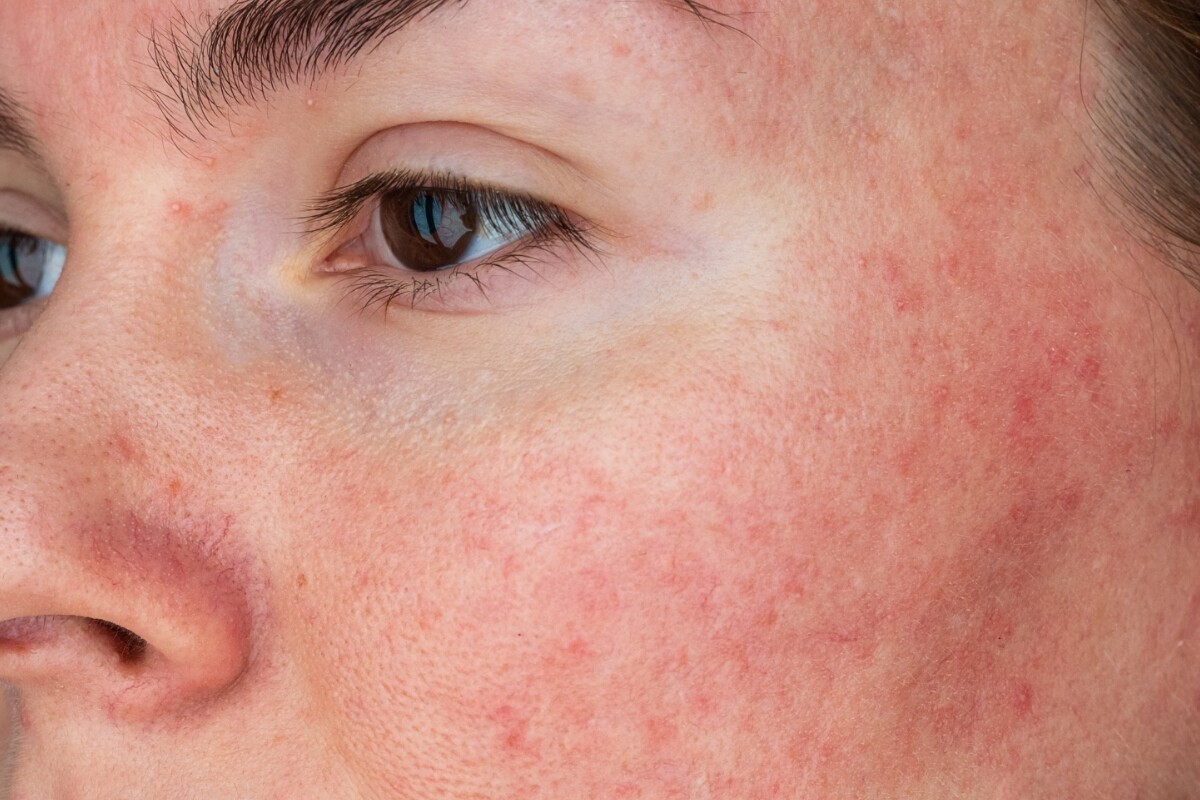
Particularly when derived from plants, research suggests exosomes may have an anti-inflammatory effect on skin cells. [6] This helps calm irritation caused by sensitivity, skin stress or other concerns, and supports the healing process where you may have blemishes or redness. [3]
Are exosomes safe?
A large part of the conversation around exosomes centres around their safety. This is because not all exosomes are extracted from plants. Platelet-derived exosomes are extracted from human blood platelets and rich in growth factors, which are proteins that lock onto cells to trigger regeneration. [3] However, this type of exosome therapy is highly controversial due to safety and ethical concerns. As a result, only topical, plant-based exosomes are approved for cosmetic use in the UK.
The good news is, plant-based exosome serums are generally considered to be safe based on the research currently available. Our Daily Firming Multi-Peptide Serum features pomegranate exosomes, to help reduce the signs of premature ageing and support skin repair and renewal. It also combines exosome and peptide technology in a single serum, to encourage firmer, smoother and more resilient skin in one, easy-to-layer skincare step.
Interested in other skincare ingredients that can reduce fine lines, damage from sun exposure and other visible signs of ageing? Find out more here.
References
1. Taciana Dal’Forno-Dini, Birck MS, Rocha M, Edileia Bagatin. Exploring the reality of exosomes in dermatology. Anais Brasileiros de Dermatologia. 2024 Nov 1;
2. Logozzi M, Di Raimo R, Mizzoni D, Fais S. The Potentiality of Plant-Derived Nanovesicles in Human Health—A Comparison with Human Exosomes and Artificial Nanoparticles. International Journal of Molecular Sciences. 2022 Apr 28;23(9):4919.
3. Thakur A, Shah D, Rai D, Parra DC, Pathikonda S, Kurilova S, et al. Therapeutic Values of Exosomes in Cosmetics, Skin Care, Tissue Regeneration, and Dermatological Diseases. Cosmetics [Internet]. 2023 Apr 1;10(2):65. Available from: https://www.mdpi.com/2079-9284/10/2/65
4. Proffer SL, Paradise CR, DeGrazia E, Halaas Y, Durairaj KK, Somenek M, et al. Efficacy and Tolerability of Topical Platelet Exosomes for Skin Rejuvenation: Six-Week Results. Aesthetic Surgery Journal. 2022 Jun 11;42(10):1185–93.
5. Amirhossein Hajialiasgary Najafabadi, Mohammad Hasan Soheilifar, Nastaran Masoudi-Khoram. Exosomes in skin photoaging: biological functions and therapeutic opportunity. Cell communication and signaling [Internet]. 2024 Jan 12 [cited 2024 Apr 17];22(1). Available from: https://www.ncbi.nlm.nih.gov/pmc/articles/PMC10785444/
6. Choi BM, Hong H, Jang YB, Park TJ, Kim SY. Skin Barrier-Improving and Anti-Inflammatory Effects of Exosomes Derived from the Fructobacillus fructosus NSH-1 Strain Isolated from the Campsis grandiflora Flower. Journal of Microbiology and Biotechnology [Internet]. 2026 Mar 12 [cited 2026 Jul 3];36. Available from: https://pmc.ncbi.nlm.nih.gov/articles/PMC12991936/


Related Posts