Ask A Derm: What’s the Best UV-Fighting Skincare Routine?
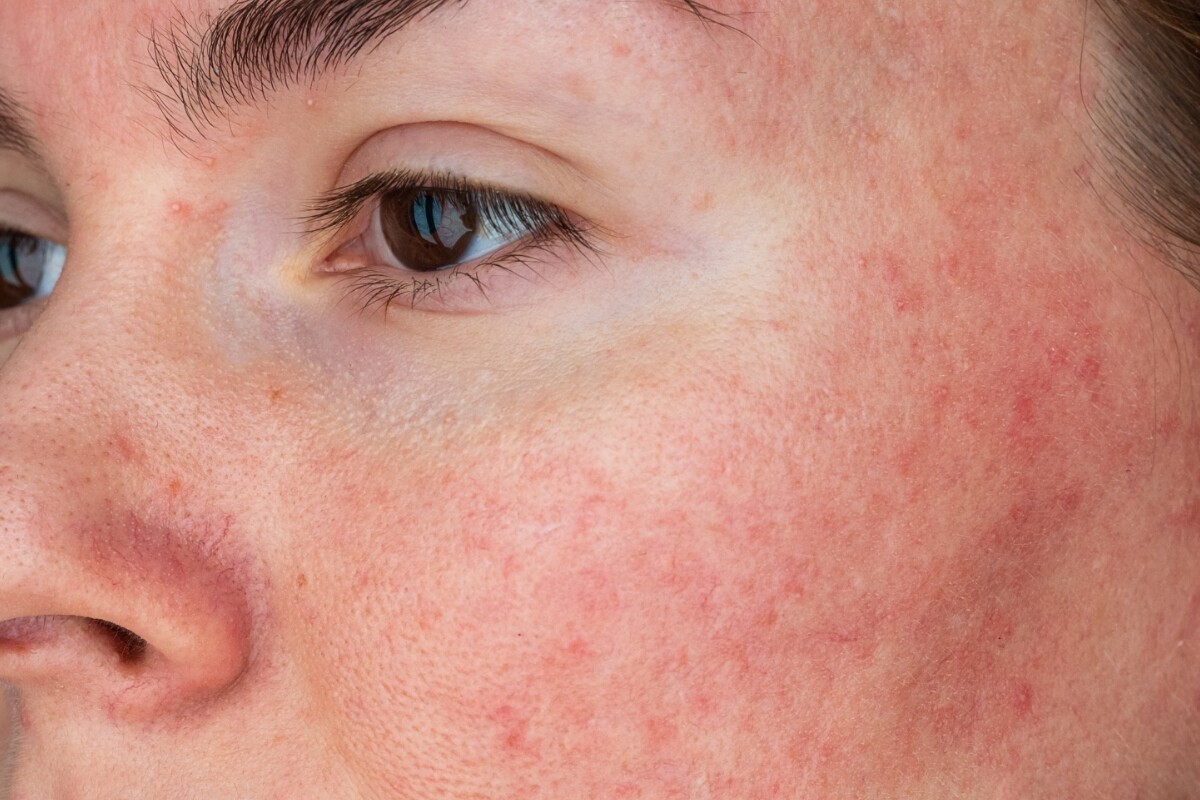
Exposure to ultraviolet radiation is the leading cause of skin cancer and up to 90% of the reason for premature ageing (photoageing). This is where fine lines, wrinkles, dark spots, and loss of skin firmness and elasticity appear faster and more noticeably than if your genetics were the only factor at play.
How Do UV Rays Damage Skin?
There are two main types of UV rays that reach your skin.
UVA rays penetrate deep into the skin (dermis), damaging collagen and elastin. This skin damage often leads to early development of wrinkles, sagging skin, and pigmentation. UVB rays target the outer layer of skin, causing sunburn and DNA damage – increasing the risk of skin cancer. (1)
“Even if it’s overcast or you’re indoors, UVA rays can penetrate through glass and are present all year round — which is why daily sun protection is a non-negotiable.” – Dr. Shendy Engelina, Consultant Dermatologist at Dermatica.
Dermatologist-Approved UV-Fighting Skincare Routine
UV rays are harmful, but applying daily sunscreen makes it easy to keep your skin protected. Here’s a simple guide our dermatologists recommend to prevent the effects of UV radiation.
Step 1: Cleanse – Choose One
Oily, sensitive or breakout-prone skin: Opt for a gentle, non-stripping formulation like Balancing Glycerin Gel Cleanser.
Balanced to dry skin types: Use a rich, nourishing cleanser like Caring Squalane Cream Cleanser.
Step 2: Treat
Mild to moderate sun damage
Over-the-counter treatments can be a great starting point. Look for targeted ingredients that help brighten, even skin tone, and reduce visible signs of sun damage:
Vitamin C 15%: Fresh Batch Ascorbic Acid. A gold-standard antioxidant that helps brighten skin and neutralise free radicals from UV exposure.
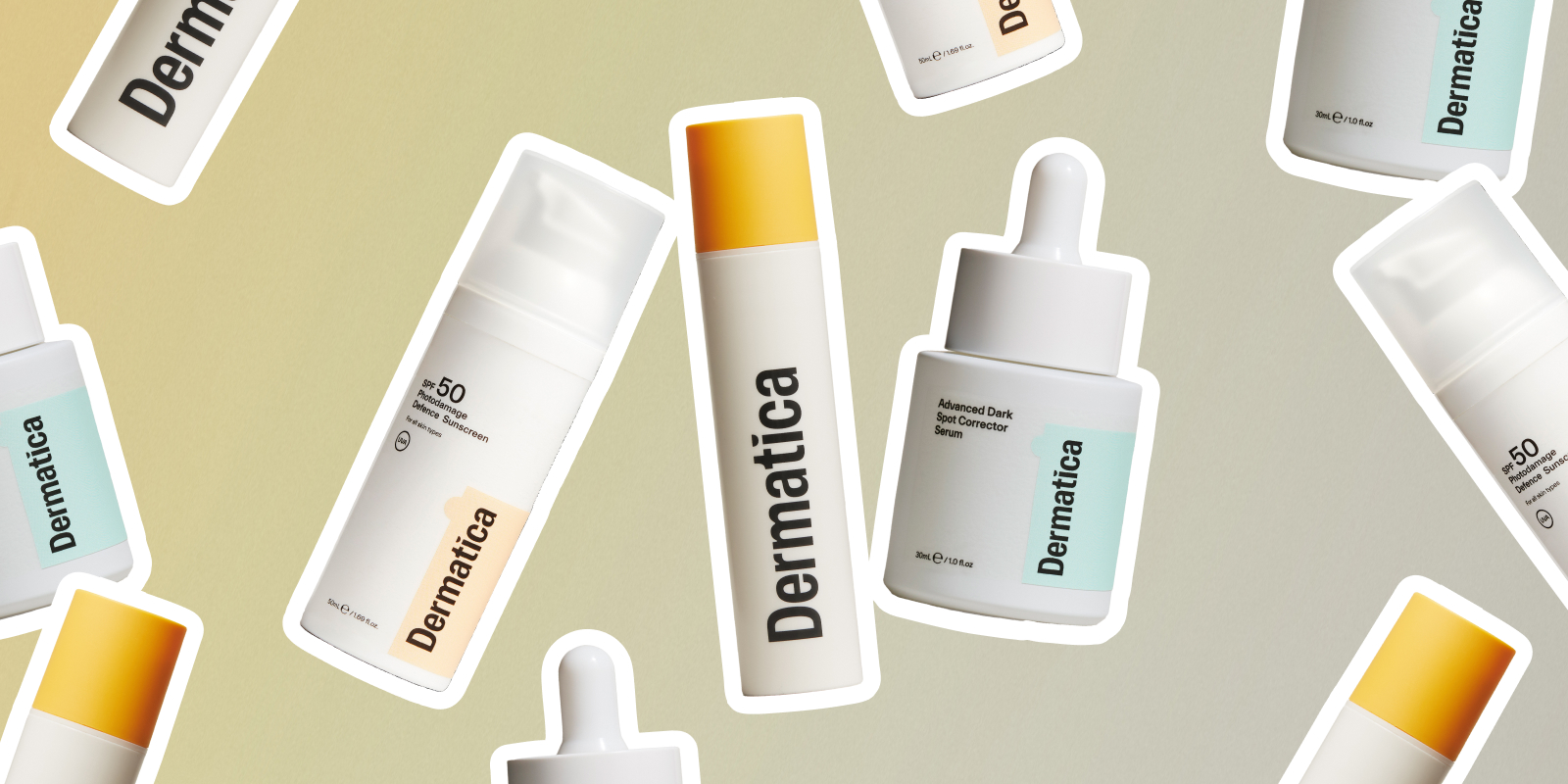
Advanced Dark Spot Corrector Serum. Designed to fade dark spots and improve uneven skin texture over time.
Advice: Avoid introducing more than one active treatment at the same time, as this may overload your skin. Introduce them slowly, one by one, to give your skin time to adjust.
Persistent, Severe, or Worsening Sun Damage:
It’s best to consult a dermatology expert. A clinician may recommend a personalised formula with clinically proven ingredients such as tretinoin or hydroquinone for deeper, more targeted correction.
Step 3: Moisturise – Choose One
Oily, sensitive or breakout-prone skin types: Opt for a gel-based formulation that’s designed for sensitive skin like our Soothing Centella Gel Moisturiser.
Balanced to dry skin types: Try a richer moisturiser designed to support your skin barrier health like the Nourishing Ceramide+Peptide Moisturiser.
Tip: Barrier-strengthening ingredients like centella asiatica, ceramides and peptides will help support sensitive skin, especially if your routine contains a treatment with active ingredients.
Step 4: Protect – Broad-spectrum Sunscreen
All skin types: Apply broad-spectrum sunscreen like our SPF50 Photodamage Defence Sunscreen every day. It’s the best way to prevent photoageing from developing or getting worse.
How Much Sunscreen Should I Apply?
Apply 1tsp (5ml) to your face, neck, and ears every morning — this is usually around 3-4 pumps worth of sunscreen depending on the dispenser.
Reapply every 2 hours when outdoors, or immediately after it has been washed or rubbed off.
Choose a sunscreen that suits your skin type and feels comfortable to wear or reapply throughout the day.
Make sure the label says ‘broad-spectrum’ and ‘UVA/UVB protection’. This means your sunscreen will shield against both UVA and UVB radiation.
Tip: In Europe, sunscreens typically use the UVA circle logo to indicate that the product provides adequate UVA protection. In the UK, some sunscreens also feature a 5-star rating system, with five stars representing the highest level of UVA protection relative to UVB. Asian-made sunscreens (e.g. Japan or South Korea), often use the PA rating system, where more plus signs (e.g. PA++++) indicate stronger UVA protection. For optimal broad-spectrum protection, look for products with SPF 50+, the UVA logo, PA++++ or a 5-star UVA rating.
What to do when the UV Index is High
– Check the UV Index (UVI) using your phone’s weather app. In both the UK and US, sun protection measures are recommended when the UV Index is 3+ or higher. At these levels, unprotected skin can burn quickly, especially during midday hours. To protect your skin:
– Avoid direct sun, usually between 10am and 4pm (peak hours).
– Wear sunglasses, a wide-brimmed hat, and UV-protective clothing.
– Stay in the shade when possible.
– Reapply sunscreen every 2 hours when outdoors, or more often if you’ve been swimming or sweating.
Can I Get Vitamin D From Sunlight Safely?
Yes – it doesn’t take long to absorb enough Vitamin D from sunlight. So you don’t need to sunbathe to get your recommended daily dose. If you’re unsure, or you have a history of skin cancer, speak to your GP about alternatives like Vitamin D supplements.
What If I Already Have Sun Damage?
You’re not alone. The good news is, visible sun damage is treatable, and getting the right formula can help improve texture, tone, and pigmentation over time.
Science-Backed Ingredients for Sun-Damaged Skin
Retinoids – including tretinoin, adapalene and retinal, all speed up cell turnover – replacing dead or dull-looking skin cells with new, healthy ones. It’s a gold standard treatment for visible fine lines and wrinkles, pigmentation, acne scars and breakouts, and restoring volume in the skin.
Azelaic acid – a gentler alternative to retinoids with similar benefits. It has anti-inflammatory effects and is safe to use during pregnancy and breastfeeding, or if your skin can’t tolerate retinoids.
Niacinamide – an antioxidant derived from Vitamin B3. It helps promote a resilient barrier and brightens the complexion.
AHAs (alpha-hydroxy acids) – exfoliates the surface of the skin. AHAs like glycolic acid or mandelic acid help fade dark spots, smooth the look of uneven tone and texture, for luminous and even-looking skin.
PHAs (poly-hydroxy acids) – these are chemical exfoliants, known to be more gentle than AHAs and BHAs (beta-hydroxy acids).
Dermatica’s personalised formulas can target the long-term effects of sun damage, and they’re tailored to you based on your skin type and concerns.
Are Deeper Skin Tones More Immune to UV Radiation?
Anyone can be affected by UV radiation, even darker skin tones. While melanin (the pigment that gives skin its colour) offers some natural protection compared to fair skin types, it doesn’t prevent long-term sun damage or skin cancer. (4)
People who have deeper skin tones are also more prone to hyperpigmentation from sun exposure — leading to age spots, also known as sunspots, brown spots or liver spots. They are also at a higher risk of late skin cancer diagnoses because lesions can be harder to spot, which can delay treatment. (5)
In short: Daily SPF is the best way to prevent early signs of ageing and skin cancer. It’s a routine essential for everyone.
Why UV Protection isn’t just for Anti-Ageing
While skin ageing is natural and nothing to be ashamed of, protecting your skin from UV damage isn’t just about aesthetics – your long-term skin health depends on it. Think of it as defending your collagen and keeping your skin resilient, rather than hiding your age.
Is it time to see a Dermatology Expert?
If you notice any of the following, seek medical advice from your GP or registered medical provider as it may be a type of skin cancer.
– New or changing moles.
– White, red, blemish-like or pigmented lumps that grow in size or don’t go away on their own.
– Persistent rough patches, scaly skin or dark spots.
While our dermatology team doesn’t diagnose or treat skin cancers, Dermatica’s experts can tailor a treatment plan and personalised formula to reverse visible sun damage, including: skin ageing, dullness and hyperpigmentation — helping you get the right intervention, and master UV damage prevention.
Looking for personalised advice? Find out what formulas are suitable for you by visiting our website.
References:
1.Gabros S, Zito PM. Sunscreens And Photoprotection [Internet]. Nih.gov. StatPearls Publishing; 2019. Available from: https://www.ncbi.nlm.nih.gov/books/NBK537164/
2. Pandel R, Poljšak B, Godic A, Dahmane R. Skin Photoaging and the Role of Antioxidants in Its Prevention. ISRN Dermatology [Internet]. 2013;2013:1–11. Available from: https://www.ncbi.nlm.nih.gov/pmc/articles/PMC3789494/
3. Heckman CJ, Liang K, Riley M. Awareness, understanding, use, and impact of the UV index: A systematic review of over two decades of international research. Preventive medicine [Internet]. 2019;123:71–83. Available from: https://www.ncbi.nlm.nih.gov/pubmed/30844501
4. Brenner M, Hearing VJ. The protective role of melanin against UV damage in human skin. Photochemistry and Photobiology [Internet]. 2007 Nov 16;84(3):539–49. Available from: https://www.ncbi.nlm.nih.gov/pmc/articles/PMC2671032/
5. Mota M, Conceição C, Leonardo Lora Barraza, Milanez A. Dermatology in black skin. Anais Brasileiros de Dermatologia. 2024 Feb 1;99(3).


Related Posts