A Dermatologist’s Summer Retinoid Routine: SPF, Vitamin C & AHAs
When you start using topical retinoids, it’s normal for your skin to feel slightly more sensitive. This can be off-putting when the sun is out, especially if UV rays can worsen your condition, like dark spots.
But keeping up your retinoid routine (including retinal, retinol and tretinoin) in the summer is like working out in winter — it’s the only way to keep your progress up. We’ll explain why it’s so important to continue using retinoids throughout summer, and how to keep your skin safe in the sun.
How to Apply Retinoids Safely in Summer
While stronger sunshine might seem like the right time to stop retinoids, if you want to reach your skin goals, our experts are adamant that’s not true. Instead, we need to protect your skin, rather than remove key steps from your routine.
Tip: Taking a short break from retinoids every now and then is fine, but a few weeks or more can stop or even reverse your hard-earned progress.
1. Use sunscreen, daily
Spending more time outdoors, especially when it’s sunny, can increase your risk of sun-damaged skin. But if you wear sunscreen and protective clothing (including a hat), this shouldn’t be an issue.
It’s important to choose a sunscreen that:
– Is at least SPF30, but preferably SPF50.
– Is comfortable to wear every day, even when it’s overcast
– Is gentle, fragrance-free and compatible alongside active ingredients in your skincare routine – like a personalized formula from Dermatica.
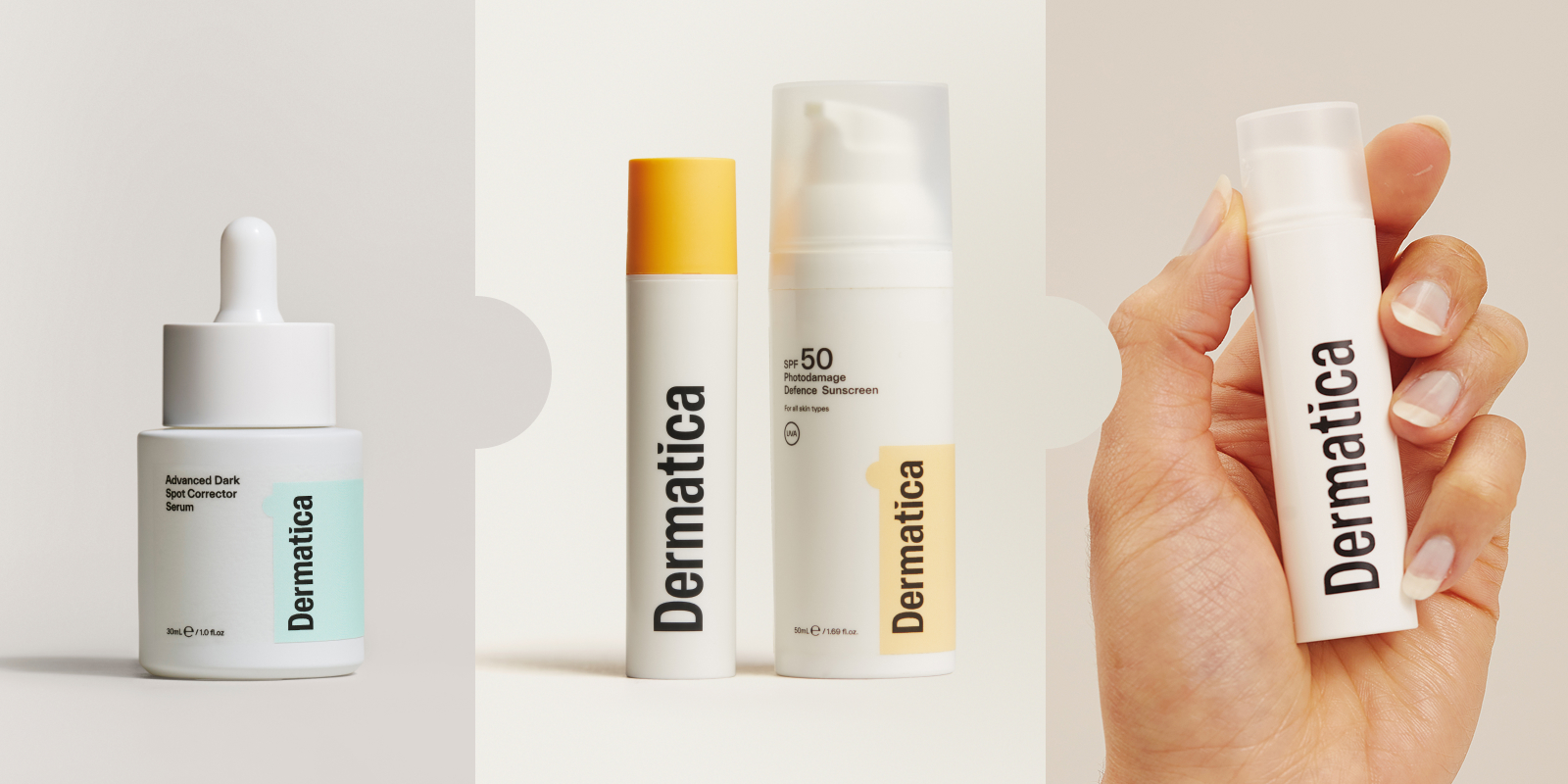
SPF 50 Photodamage Defence Sunscreen helps protect the skin from photoageing, pigmentation and sun damage. [1]
2. Apply Retinoids, Nightly
A cardinal retinoid rule is to keep your skin out of direct sunlight. It’s possible that’s where this ‘no-retinoids-in-summer’ myth started. An easy solution for this is to apply retinoids at nighttime before bed — so they can get to work while you sleep and there’s zero risk of sun exposure.
3. Cleanse, Gently
Cleansing the next morning will remove any leftover retinoid treatment from your skin. Choose a cleanser with barrier-strengthening ingredients like:
Caring Squalane Cream Cleanser for dry and balanced skin types.
Balancing Glycerin Gel Cleanser for oily, sensitive or breakout-prone skin types.
4. Hydrate, often
For drier skin, hot weather naturally increases the amount of water that evaporates from the skin’s surface, a process called trans-epidermal water loss (TEWL). Without enough hydration, hotter and drier weather can cause the skin to feel tight, irritated, or scaly.
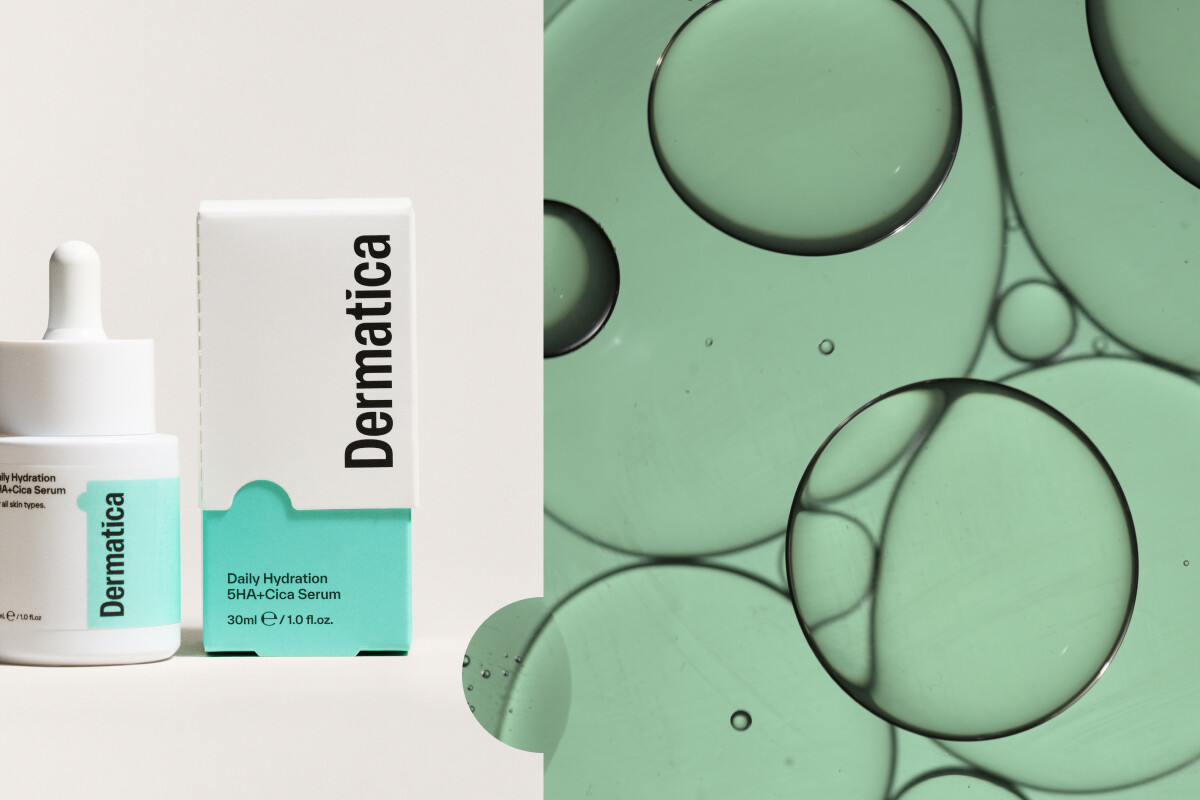
If your skin is still dry after moisturiser, add a hydrating serum like Daily Hydration 5HA+Cica Serum. This step helps to rebalance water and moisture in the skin — thanks to five molecular weights of hyaluronic acid.
In people with oily or combination skin, heat can increase sweating and sebum (oil) production to try and compensate for the loss of water (TEWL).To help regulate hydration levels, look for oil-free, gel-based products with niacinamide, centella asiatica, panthenol, and glycerin. [2]
If a moisturiser feels too heavy — especially under sunscreen — you can replace moisturiser with a lightweight, hydrating serum like Daily Hydration 5HA+Cica Serum. The cica (Centella asiatica) and niacinamide to help strengthen your skin barrier and rebalance sebum (oil) production.
Can you use AHAs or other Exfoliating Actives in Summer?
Like topical retinoids, you can continue using chemical exfoliants like AHAs (alpha-hydroxy acids) throughout the year. If you’re using a product like Advanced Dark Spot Corrector Serum in the morning, make sure you protect your skin with SPF50+ (UVA/UVB protection) every day.
More Ways To Boost Your Sun Protection This Summer
Use a dedicated sunscreen
An SPF-infused foundation or moisturiser hasn’t been rigorously tested the way dedicated sunscreens are, so they’re unlikely to have enough UVA and UVB filters for what you need. Think of it as a bonus, not a replacement.
Tip: Always apply your sunscreen as the final step of your skincare routine, before makeup.
Reinforce with Antioxidants
o ramp up the protection even more, antioxidants like Vitamin C, ferulic acid and Vitamin E can help limit daily damage and oxidative stress, too.
Vitamin C (L-Ascorbic acid) has brightening and collagen-boosting properties, which is why applying a product like Vitamin C 15%: Fresh Batch Ascorbic Acid in the morning (after your retinoid treatment at night) often gives skin an instant, radiant and healthy glow. It also contains ferulic acid and Vitamin E to double your sunscreen’s protection against photodamage [3,4].
If you’re already using a personalised formula from Dermatica, you can read all about why you should continue to use it throughout summer here.
Or – follow this link to find out which formulas are suitable for your skin.
References:
1. Gabros S, Zito PM. Sunscreens And Photoprotection [Internet]. Nih.gov. StatPearls Publishing; 2019. Available from: https://www.ncbi.nlm.nih.gov/books/NBK537164/
2. Kim S, Park JW, Yeon Y, Han JY, Kim E. Influence of exposure to summer environments on skin properties. Journal of the European Academy of Dermatology and Venereology. 2019 Jul 7;33(11):2192–6.
3. Firas Al-Niaimi, Yi N. Topical Vitamin C and the Skin: Mechanisms of Action and Clinical Applications. The Journal of Clinical and Aesthetic Dermatology [Internet]. 2017 Jul;10(7):14. Available from: https://pmc.ncbi.nlm.nih.gov/articles/PMC5605218/
4. Lin FH, Lin JY, Gupta RD, Tournas JA, Burch JA, Angelica Selim M, et al. Ferulic Acid Stabilizes a Solution of Vitamins C and E and Doubles its Photoprotection of Skin. Journal of Investigative Dermatology. 2005 Oct;125(4):826–32.


Related Posts
October 30, 2025
0 Comments11 Minutes
Ask a derm: Should I use Retinal, or go straight to a Personalised Formula?